senior-pet-routine-health-changes

How Your Senior Pet’s Daily Routine Can Reveal Changes in Health

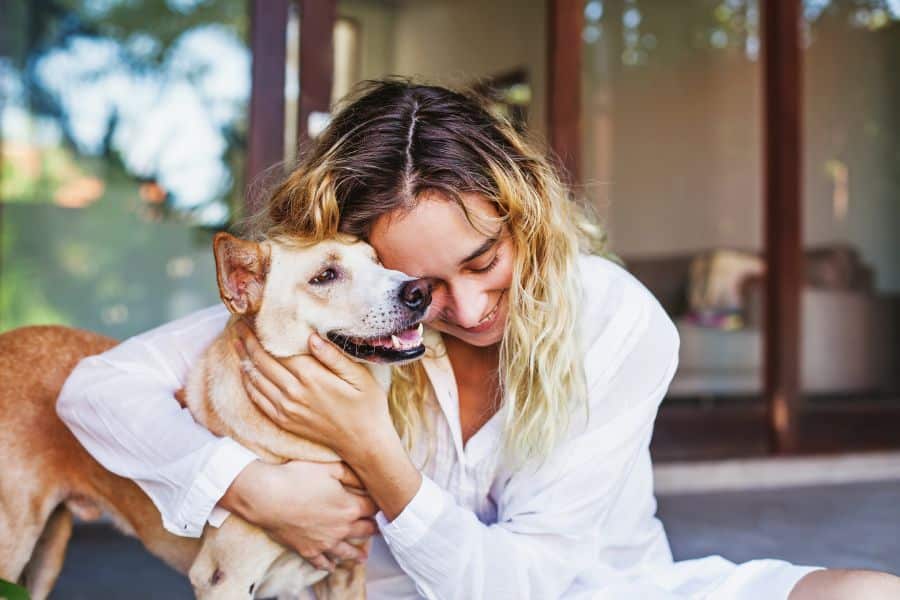
The signs of aging do not happen overnight in pets. They appear slowly through small moments you may notice during everyday life. Your dog may take a little longer to get up after a nap. Your cat might stop leaping onto their favorite window perch. A pet who once greeted you at the door may now prefer to rest quietly in another room.

As these changes occur gradually, they can easily go unnoticed. Many pet owners assume that their companion is merely slowing down with age. While some changes are a natural part of getting older, shifts in your pet’s routine can sometimes be the first indication that something more is happening.

Your pet’s daily habits provide valuable insight into their comfort, mobility, and overall health. Changes in eating patterns, sleep, activity levels, or behavior may help identify concerns before they become more serious. This is why paying attention to your pet’s routine is an important part of senior pet care.

At Oath Animal Hospital, we understand that senior pets require thoughtful attention as their needs change. Older pets often benefit from regular health evaluations, ongoing monitoring, and care plans focused on helping them remain comfortable and enjoy their daily activities. If you are from East Meadow and have concerns regarding your pet’s health, this blog is just for you. Read through to the end for complete information.

Why Your Senior Pet’s Routine Can Tell You So Much About Their Health

Pets are creatures of habit. They usually follow familiar patterns every day, whether it is waiting for breakfast, following you around the house, playing at a certain time, or resting in their favorite spot.

When these patterns change, your pet may be responding to something affecting their physical or emotional well-being.

A change in routine may be connected to:

  • Joint discomfort or reduced mobility
  • Dental problems that make eating uncomfortable
  • Changes in vision or hearing
  • Weight fluctuations
  • Digestive concerns
  • Chronic health conditions
  • Age-related cognitive changes

Your observations at home are valuable because you see your pet’s normal behavior every day. Even a small difference can provide your veterinarian with important information during an examination.

Changes in Movement May Be Early Signs of Discomfort

A noticeable change in senior pets is that they become less active. However, reduced movement should not always be considered a normal part of aging.

A senior pet experiencing discomfort may:

  • Take longer to stand after lying down
  • Avoid stairs or jumping
  • Walk shorter distances during outdoor time
  • Hesitate before getting into the car
  • Spend more time resting than usual

Dogs and cats often hide pain instinctively, which means visible signs may appear only after a problem has progressed. Watching for changes in mobility can help you recognize when your pet may need additional support.

Eating and Drinking Habits Can Reveal Health Changes

Your senior pet’s relationship with food and water can change for many reasons. Some changes may be minor, while others may require veterinary attention.

For example, a pet who suddenly avoids hard food may have dental discomfort. Increased thirst or changes in appetite may also be linked to certain health conditions.

Keep an eye out for:

  • Eating less or refusing meals
  • Difficulty chewing
  • Sudden weight loss or weight gain
  • Drinking much more or less water
  • Changes in bathroom habits

Tracking these changes and sharing them with your veterinarian can make it easier to understand what may be affecting your pet.

Sleep Pattern Changes Should Not Be Ignored

Senior pets naturally tend to sleep more than younger animals. However, a major shift in sleeping habits may provide clues about their health.

You may notice your pet:

  • Sleeping throughout most of the day
  • Becoming restless at night
  • Changing their preferred sleeping location
  • Having difficulty getting comfortable

These changes can sometimes be associated with discomfort, anxiety, age-related changes, or underlying medical concerns.

A comfortable resting environment and regular veterinary care can help support your pet’s changing needs as they grow older.

Behavioral Changes Can Be Your Pet’s Way of Communicating

Your pet cannot tell you when they are feeling different, but their behavior often reflects how they feel.

A normally social pet who begins hiding, a calm pet who becomes unusually irritable, or a house-trained pet who starts having accidents may be experiencing a change that deserves attention.

Possible behavioral changes include:

  • Less interest in family interaction
  • Increased vocalization
  • Confusion or disorientation
  • Changes in bathroom habits
  • New fears or anxiety

Before assuming these behaviors are simply due to age, it is important to discuss them with your veterinarian. Some behavioral changes may have medical causes that can be addressed.

How Regular Veterinary Visits Support Senior Pet Health

As pets age, preventive care becomes even more important. Senior pets may develop health concerns that are difficult to detect without a professional evaluation.

During senior wellness visits, your veterinarian may assess:

  • Overall body condition
  • Weight changes
  • Joint health and mobility
  • Dental condition
  • Heart and respiratory health
  • Bloodwork and organ function
  • Changes in daily behavior

Routine evaluations allow your veterinary team to understand your pet’s baseline health and identify changes over time.

Supporting Your Senior Pet’s Quality of Life at Home

Caring for an older pet involves more than managing health concerns. It also means helping them stay comfortable and continue enjoying the activities they love.

Small changes can lead to significant results, such as:

  • Providing soft and supportive bedding
  • Keeping food and water easily accessible
  • Maintaining a predictable daily schedule
  • Using ramps or steps when needed
  • Encouraging gentle activity
  • Monitoring changes in behavior

Every senior pet has different needs. A care approach that works for one pet may not be right for another, which is why ongoing veterinary guidance is important.

When Should You Schedule a Visit for Your Senior Pet?

Many pet owners wait until a problem is unmistakable before booking an appointment. However, addressing these concerns early can make a meaningful difference in managing many age-related issues.

Consider contacting your veterinarian if you notice:

  • Sudden changes in routine
  • Difficulty walking or standing
  • Reduced appetite
  • Increased thirst
  • Weight changes
  • New behavioral concerns
  • Signs of pain or discomfort

You know your pet’s personality and habits better than anyone. When something feels different, that observation can be the first step toward finding answers.

Helping Your Senior Pet Enjoy More Comfortable Years

Aging is a natural part of your pet’s life, but it does not mean they should stop enjoying their favorite routines or spending quality time with their family.

The small details you notice each day, such as how your pet moves, eats, sleeps, and interacts with you, can provide meaningful insight into their health. These observations help create a clearer picture of what your pet needs as they enter their senior years.

At Oath Animal Hospital, we believe senior pets deserve care that considers both their medical needs and their everyday comfort. Through regular evaluations and personalized senior pet care, our team helps pet owners understand changes in their companions and make informed decisions about their health.

If you are in East Meadow and have noticed changes in your pet’s routine or want to support their health as they age, our team is here to help provide guidance and compassionate veterinary care. Schedule an appointment today to ensure your pet ages without any health concerns.

Frequently Asked Questions

1. What daily changes should I watch for in my senior pet?

Changes in eating, sleeping, movement, bathroom habits, and behavior may indicate that your senior pet’s health needs attention. Monitoring their normal routine can help you notice concerns early.

2. How often should my senior pet receive veterinary checkups?

Senior pets often benefit from more frequent wellness evaluations because health changes can develop gradually. Your veterinarian can recommend a schedule based on your pet’s age, breed, and medical history.

3. Can aging cause my pet to become less active?

Some activity changes are expected as pets age, but sudden or noticeable decreases in movement may be related to discomfort, joint issues, or other health concerns.

4. How does Oath Animal Hospital provide senior pet care in East Meadow?

Oath Animal Hospital provides senior pet care in East Meadow by evaluating age-related health changes and helping pet owners create plans that support their pets’ comfort and wellness.

5. When should I bring my senior pet to Oath Animal Hospital?

You should schedule a visit with Oath Animal Hospital if your pet experiences changes in appetite, mobility, behavior, sleep patterns, or overall routine.

6. How can I make my home more comfortable for an older pet?

You can support your senior pet by providing comfortable bedding, easy access to food and water, maintaining routines, and making adjustments that support mobility.

7. Why is senior pet care important for aging dogs and cats?

Senior pet care helps monitor health changes, identify potential concerns early, and provide support that helps older pets maintain comfort and quality of life.
signs-pet-health-problem-getting-worse

Signs Your Pet’s Health Problem Is Getting Worse Quickly 

Pet owners know their animals’ normal habits better than anyone. A sudden change in appetite, behavior, energy level, or daily routine can sometimes signal that something is wrong. For families, recognizing these changes early can help pets receive the medical attention they need before a condition becomes more serious.

At Oath Animal Hospital, pet owners in East Meadow and nearby areas can find support when their companion shows signs of illness or unexpected health changes. While some symptoms may resolve with monitoring, others may require prompt veterinary evaluation to understand the underlying cause.

How Can You Tell If Your Pet’s Health Problem Is Getting Worse?

A pet’s condition may be worsening when symptoms become more frequent or intense, or when they begin affecting normal activities like eating, walking, sleeping, or interacting with family members.

Because many health problems can share similar signs, a symptom alone does not always identify the exact cause. A veterinary examination can help determine whether your pet needs treatment, diagnostic testing, or closer monitoring.

Signs Your Pet May Need Immediate Veterinary Attention

1. Sudden Changes in Breathing

Breathing problems should always be taken seriously. Watch for rapid breathing, difficulty catching their breath, excessive panting at rest, coughing, or unusual breathing sounds.

Changes in breathing can result from several factors, including respiratory issues, heart conditions, pain, or stress. If your pet appears to be struggling for breath, seek veterinary attention as soon as possible.

2. Loss of Appetite or Refusing Food

A temporary decrease in appetite may happen occasionally, but refusing food for an extended period can indicate an underlying problem.

Pets may stop eating because of dental discomfort, digestive issues, infections, pain, or other medical concerns. A veterinarian can evaluate the cause and determine the next steps for urgent pet care.

3. Repeated Vomiting or Diarrhea

Occasional stomach upset may occur, but repeated vomiting or diarrhea can lead to dehydration and may point to a more serious condition.

Pay attention to additional signs such as weakness, blood in vomit or stool, reduced energy, or changes in drinking habits. These symptoms may require faster medical attention.

4. Extreme Tiredness or Sudden Weakness

A pet that becomes unusually tired, avoids activities, hides more often, or has trouble standing may be showing signs of declining health.

Changes in energy can be linked to infections, pain, internal problems, or other medical issues. If your pet’s behavior changes quickly, it is important to have them evaluated.

5. Changes in Bathroom Habits

Sudden changes in urination or bowel movements should not be ignored.

Frequent urination, difficulty urinating, accidents inside the home, constipation, or changes in stool appearance may indicate a health concern. Some urinary problems can become serious if left untreated.

6. Visible Pain or Discomfort

Pets often hide pain, so subtle changes may be easy to miss. Signs may include limping, whining, avoiding touch, difficulty climbing stairs, or changes in posture.

A pet experiencing discomfort may not always show obvious symptoms. A veterinary assessment can help identify possible causes and provide appropriate recommendations for urgent pet care.

7. Pale Gums, Swelling, or Physical Changes

Physical changes can provide important clues about your pet’s health. Pale gums, sudden swelling, unexplained weight changes, lumps, or changes in skin and coat condition may require evaluation.

These signs do not always indicate a serious problem, but they should be checked, especially when they appear suddenly.

8. Confusion, Seizures, or Unusual Behavior

Changes involving the nervous system can appear as confusion, loss of balance, seizures, unusual movements, or sudden personality changes.

These symptoms may have different causes, including medical conditions affecting the brain, metabolism, or other body systems. Prompt veterinary attention is important when these signs occur.

What Happens During a Veterinary Evaluation?

When your pet is examined, the veterinarian will review their symptoms, medical history, behavior changes, and physical condition. Depending on the findings, diagnostic tools such as blood tests, imaging, or other evaluations may be recommended.

Early evaluation can help identify possible problems sooner and allows treatment decisions to be based on your pet’s specific condition.

If you notice concerning changes in your pet’s health, contact our veterinary hospital for guidance and an examination. Getting professional advice can help you understand whether your pet needs immediate attention or continued monitoring.

When Should You Seek Veterinary Care for Your Pet?

Pet owners should schedule a veterinary visit when symptoms continue, become more severe, or affect normal daily activities. Signs such as breathing difficulty, collapse, seizures, severe weakness, or inability to eat or drink may require urgent pet care.

It is also important not to wait if your instincts tell you that your pet is acting differently. You know your pet’s normal behavior, and sudden changes deserve attention.

How Can Pet Owners Help Prevent Health Problems From Becoming Worse?

Regular wellness visits, monitoring daily habits, maintaining proper nutrition, and noticing small changes early can support your pet’s overall health.

Keeping records of changes in appetite, activity, bathroom habits, and symptoms can also help your veterinarian understand what is happening and make informed care decisions.

Get Veterinary Support When Your Pet’s Health Changes

When a pet’s condition changes quickly, timely action can make a difference. Paying attention to warning signs and seeking veterinary guidance can help your companion receive appropriate care based on their needs.

For pet owners in East Meadow, Oath Animal Hospital provides medical evaluations and treatment support for pets experiencing health concerns. Contact us immediately if your pet shows signs that their condition is getting worse or requires professional attention.

Call 516-951-0254 to discuss your pet’s symptoms and receive guidance on the next steps for veterinary care.

Schedule an appointment today for timely veterinary support when your pet needs professional attention.

FAQs 

Q1. How do I know if my pet’s illness is becoming more serious?

Ans: A condition may be worsening if symptoms increase, your pet stops normal activities, refuses food, shows pain, or develops new signs. A veterinary examination can help identify the cause and determine the right next steps.

Q2. When should I take my pet to a veterinarian?

Ans: You should consider veterinary care if symptoms persist, worsen, or affect eating, drinking, breathing, movement, or behavior. Oath Animal Hospital helps pet owners evaluate concerning changes in their pet’s health and receive appropriate medical guidance.

Q3. Can pets hide signs of serious health problems?

Ans: Yes, many pets naturally hide discomfort or weakness. Small changes in behavior, appetite, energy, or routine may be early indicators that your pet needs attention.

Q4. What services can help identify my pet’s health problem?

Ans: Veterinary examinations, diagnostic testing, and health assessments can help identify possible causes behind symptoms. Oath Animal Hospital provides diagnostic care to help evaluate pets with changing health concerns.

Q5. Is sudden vomiting or diarrhea always an emergency?

Ans: Not always, but repeated episodes, dehydration, weakness, blood, or additional symptoms may require prompt veterinary care. Our veterinarian can determine whether your pet needs further evaluation.

Q6. How can Oath Animal Hospital help when my pet’s condition changes?

Ans: Oath Animal Hospital evaluates pets with new or worsening symptoms and provides medical recommendations based on their condition. The team can help pet owners understand available treatment options and the next steps for care.

What Should You Know Before Your Pet Has Surgery?

Hearing that your dog or cat needs surgery can leave you with plenty of questions. What should you do before the procedure? How will anesthesia be handled? What will recovery look like? Understanding the process ahead of time can make the experience less overwhelming and help you prepare your pet for a safe recovery.

For pet owners in East Meadow, NY, knowing what to expect before surgery can make it easier to follow veterinary instructions and recognize what your pet may need throughout the process. Every procedure is different, so your veterinarian should provide guidance based on your pet’s condition, age, health history, and the type of surgery being performed.

Pet surgery may be recommended for a variety of reasons, from treating injuries and removing growths to addressing certain orthopedic or soft-tissue conditions. Before scheduling a procedure, take time to understand why surgery is recommended, what preparation involves, and how you can support your pet afterward.

What Should You Know Before Pet Surgery?

Before surgery, your veterinarian should explain the reason for the procedure, what it involves, potential risks, anesthesia considerations, and what recovery may require. Don’t hesitate to ask questions if anything is unclear.

A pre-surgical evaluation may include a physical examination and, depending on your pet’s age and health, diagnostic testing. Bloodwork or other testing may help the veterinary team assess your pet’s overall health and determine whether additional precautions are needed before anesthesia.

Understand Why Surgery Is Recommended

Start by making sure you understand what the procedure is intended to address. Ask your veterinarian what they expect the surgery to accomplish and whether there are other treatment options that may be appropriate.

Understanding the purpose of the procedure can also help you recognize what recovery goals to expect afterward.

Follow Pre-Surgical Instructions Carefully

Your veterinary team may provide specific instructions about food, water, medications, exercise, and arrival time. These instructions can vary depending on the procedure and your pet’s individual needs.

If your pet takes medications or supplements, tell the veterinary team about everything they receive. Do not change or stop medications unless your veterinarian specifically instructs you to do so.

Know What to Expect With Anesthesia

Most surgical procedures require anesthesia so the pet remains unconscious and does not experience pain during the operation. Before surgery, your veterinary team should discuss the planned anesthesia and monitoring process.

Anesthesia can carry risks, which is why the veterinary team considers factors such as your pet’s health, age, medical history, and test results when planning care.

How Can You Prepare Your Home for Recovery?

Preparing your home before surgery can make the recovery period easier. Set up a quiet, comfortable area where your pet can rest without excessive activity or interference from other pets or young children.

Depending on the procedure, your veterinarian may recommend restricting running, jumping, stairs, or other activities for a period of time. Having a comfortable resting space ready can make it easier to follow those recommendations.

You should also understand how medications will be given, how the surgical site should be monitored, and when your veterinarian wants your pet to return for follow-up care.

For pets requiring more involved procedures, [pet surgical services] can be an important part of a broader treatment and recovery plan.

What Should You Watch for After Surgery?

Some temporary changes in behavior or activity may occur after anesthesia, but your veterinarian should explain what is expected for your pet. Follow the discharge instructions closely and monitor your pet as they recover.

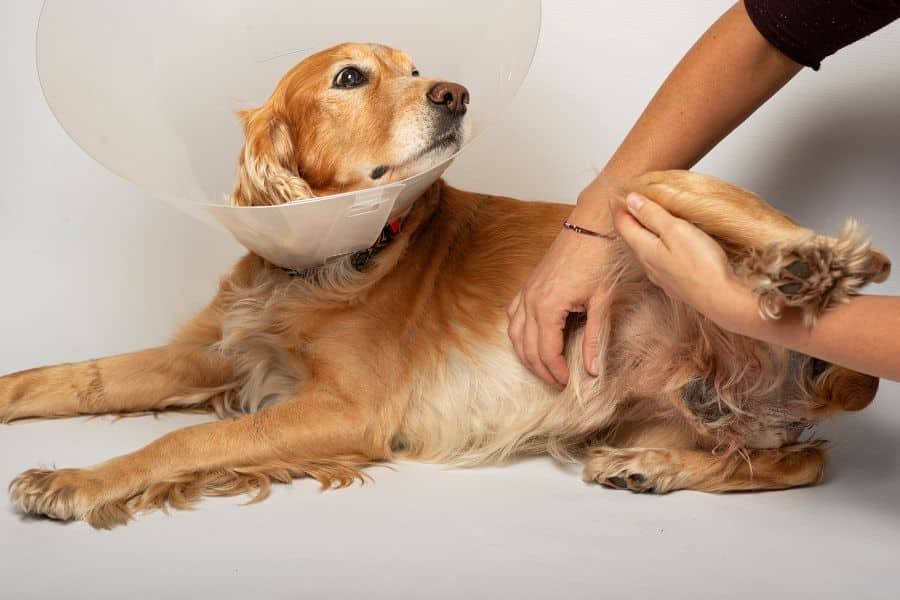
Pay attention to the surgical incision and watch for changes such as significant swelling, persistent bleeding, discharge, worsening redness, or anything else that seems unusual. Prevent your pet from licking or chewing at the incision if your veterinarian recommends protective measures.

Changes such as persistent vomiting, difficulty breathing, severe weakness, uncontrolled pain, or other concerning symptoms should be discussed with your veterinary team promptly.

When Should You Contact a Veterinarian?

Contact your veterinarian if you are concerned about your pet’s recovery or if something seems different from the instructions you were given. You should also seek veterinary guidance if your pet cannot keep medications down, appears to be experiencing significant discomfort, develops concerning incision changes, or shows a major change in appetite, behavior, or activity.

If you are unsure whether a post-surgical change is normal, it is better to ask rather than assume. Your veterinary team can help determine whether your pet needs an examination or additional care.

Preparing for surgery starts well before the procedure itself. Understanding why surgery is recommended, following pre-surgical instructions, discussing anesthesia and medications, and preparing a calm recovery space can help you feel more confident about caring for your pet.

For families seeking pet surgery in East Meadow, Oath Animal Hospital can help pet owners understand the surgical process and the care their dog or cat may need before and after a procedure. Schedule a consultation to discuss your pet’s surgical needs and learn more about the next steps.

Frequently Asked Questions

Q1. How should I prepare my pet for surgery?

Ans: Follow your veterinarian’s instructions regarding food, water, medications, exercise, and arrival time. Contact the veterinary team if you are unsure about any preparation instructions.

Q2. How long does pet surgery recovery take?

Ans: Recovery time depends on the type of surgery, your pet’s overall health, age, and individual healing process. Your veterinarian can provide more specific expectations for your pet.

Q3. What are warning signs after pet surgery?

Ans: Significant bleeding, worsening swelling, unusual discharge, difficulty breathing, severe weakness, persistent vomiting, or signs of significant discomfort may require prompt veterinary attention.

Q4. Does Oath Animal Hospital provide pet surgery?

Ans: Oath Animal Hospital provides veterinary surgical care for pets and can discuss appropriate surgical options based on an individual pet’s needs.

Q5. Can Oath Animal Hospital explain what to expect before surgery?

Ans: Yes. Your veterinary team can discuss preparation, the procedure, anesthesia considerations, recovery expectations, and post-operative care instructions.

Is Your Pet Really as Healthy as You Think? Here’s What You Might Be Missing

Your dog or cat may be eating normally, playing, and acting like themselves, yet that does not always mean everything is fine. Pets can be surprisingly good at hiding discomfort or gradual changes in their health. By the time a problem becomes obvious, it may have been developing for some time.

For families in East Meadow, NY, routine veterinary care provides an opportunity to look beyond what you can see at home. Regular examinations can help monitor changes in your pet’s health, while vaccinations, parasite prevention, dental care, nutrition, and age-appropriate screening can help support long-term wellness.

Preventative pet care is about more than treating illness. It focuses on maintaining your pet’s health, identifying potential concerns early, and creating a care plan that fits their age, lifestyle, and individual needs.

What Can You Miss When Your Pet Seems Healthy?

Pets often hide early signs of illness, so subtle changes can be easy to overlook. A veterinarian may identify concerns during a physical examination that are not obvious during everyday interactions at home.

Changes in body weight, dental health, skin and coat condition, heart and lung sounds, mobility, or behavior can provide useful clues about your pet’s overall health.

Weight Changes

Gradual weight gain or loss can be easy to miss, particularly when you see your pet every day. Maintaining an appropriate body condition can support mobility and overall health.

Your veterinarian can assess your pet’s weight and body condition and recommend adjustments to nutrition, feeding habits, or activity when appropriate.

Dental Problems

Dental disease can develop without dramatic changes in behavior. Bad breath, tartar buildup, red or swollen gums, difficulty chewing, drooling, or pawing at the mouth may indicate an oral health concern.

Routine dental assessments and appropriate home care can help you stay ahead of developing problems. Professional [pet dental care] may also be recommended when a veterinary examination identifies concerns that require further attention.

Parasites

Fleas, ticks, heartworms, and intestinal parasites can affect pets even when they appear perfectly healthy. Some infections may not cause obvious symptoms during the early stages.

A veterinarian can help determine which parasite prevention measures are appropriate based on your pet’s lifestyle, exposure risks, and health history.

Why Are Routine Wellness Exams Important?

Routine wellness exams allow your veterinarian to establish a baseline for your pet’s health and monitor changes over time. These visits are useful even when your pet appears healthy.

During an examination, the veterinarian may evaluate your pet’s eyes, ears, mouth, skin, heart, lungs, abdomen, joints, body condition, and overall behavior. The visit is also an opportunity to review vaccinations, parasite prevention, nutrition, exercise, and other aspects of daily care.

For puppies, kittens, adult pets, and seniors, the focus can change according to their life stage. Senior pets, for example, may benefit from closer monitoring for age-related changes.

What Does a Good Preventive Care Routine Look Like?

A strong routine combines veterinary care with consistent attention at home. There is no single schedule that works for every dog or cat, but several areas deserve regular attention.

Keep Wellness Visits Consistent

Annual examinations are commonly recommended for healthy adult pets, while puppies, kittens, senior pets, and animals with ongoing health concerns may need more frequent visits.

Your veterinarian can recommend an appropriate schedule based on your pet’s individual circumstances.

Stay Current on Vaccinations and Parasite Prevention

Vaccinations help protect pets against important infectious diseases, while parasite prevention can reduce exposure to common parasites. Your pet’s needs may change based on age, lifestyle, travel, and other risk factors.

Pay Attention to Everyday Changes

You know your pet’s normal behavior better than anyone. Changes in appetite, thirst, energy, bathroom habits, sleep, grooming, mobility, or temperament can be worth discussing with your veterinary team.

Keeping track of these changes can make wellness visits more informative.

You can also explore [pet wellness examinations] and [preventative veterinary care] as part of a broader approach to maintaining your pet’s health.

When Should You Contact a Veterinarian?

Do not wait for a routine appointment if your pet develops a concerning or sudden change. Contact your veterinarian if you notice persistent vomiting or diarrhea, difficulty breathing, significant appetite changes, unexplained weight loss, unusual lethargy, changes in urination, mobility problems, signs of pain, or major behavioral changes.

Some symptoms may have relatively simple explanations, while others could require prompt evaluation. If you are uncertain about a change in your pet, contacting your veterinary team can help you determine the appropriate next step.

A healthy-looking pet can still benefit from regular veterinary attention. Preventive care gives you a way to monitor your pet’s health over time, address subtle changes, and stay current with essential services such as wellness examinations, vaccinations, parasite prevention, dental care, and nutritional guidance.

For pet owners seeking preventative pet care in East Meadow, Oath Animal Hospital can help you build a care routine based on your dog’s or cat’s individual needs. Schedule a wellness appointment to review your pet’s current health and keep their preventive care on track.

Frequently Asked Questions

Q1. How often should a healthy pet see a veterinarian?

Ans: Many healthy adult pets benefit from at least one wellness examination each year. Puppies, kittens, senior pets, or pets with specific health concerns may need more frequent visits.

Q2. Can my pet have a health problem without showing symptoms?

Ans: Yes. Some health problems can develop gradually or cause subtle changes that are difficult to notice at home. Routine examinations can help identify concerns earlier.

Q3. What is included in preventative pet care?

Ans: Preventative care may include wellness examinations, vaccinations, parasite prevention, dental evaluations, nutrition guidance, weight monitoring, and age- or risk-based screening.

Q4. Does Oath Animal Hospital provide preventative pet care?

Ans: Yes. Oath Animal Hospital provides veterinary care designed to support the ongoing health and wellness of dogs and cats in the East Meadow area.

Q5. Can Oath Animal Hospital help with my pet’s wellness schedule?

Ans: A veterinary team can review your pet’s age, lifestyle, health history, and individual needs to help determine an appropriate schedule for routine examinations and preventive services.

Q6. When should I schedule a wellness visit with Oath Animal Hospital?

Ans: You can schedule a wellness visit when your pet is due for routine care or when you want to establish a preventive care plan. If your pet has developed concerning symptoms, contact the veterinary team rather than waiting for a routine visit.

pet-dental-care-tips

Pet Dental Health: Signs, Common Problems, and Prevention Tips

Good oral health is an important part of your dog’s or cat’s overall well-being. Dental problems can develop gradually, and pets may continue eating and acting normally even when plaque, tartar, gum inflammation, or damaged teeth are causing discomfort. Learning what to watch for can help you identify concerns earlier.

For pet families in East Meadow, NY, routine veterinary visits can help monitor changes in your pet’s teeth, gums, and overall oral condition. Regular examinations also give you an opportunity to discuss changes in breath, eating habits, chewing, or behavior that may indicate an underlying dental problem.

Pet dental care helps protect your dog’s or cat’s teeth and gums through preventive examinations, professional cleanings, dental radiographs, and appropriate at-home care. Since every pet has different dental needs, your veterinarian can recommend an approach based on age, health, breed, oral condition, and previous dental history.

Why Dental Health Matters

Your pet’s mouth plays an important role in eating, chewing, and everyday comfort. Dental disease commonly begins when plaque, a bacteria-containing film, builds up on the teeth. Without regular removal, plaque can harden into tartar and contribute to gum inflammation.

As dental disease progresses, bacteria and inflammation can affect the tissues supporting the teeth. This can lead to periodontal disease, discomfort, tooth damage, and eventually tooth loss.

One challenge is that dogs and cats can hide oral discomfort. A pet may continue eating even when a dental problem is present, making regular examinations especially important.

Common Dental Problems in Pets

Dogs and cats can develop several different oral health conditions.

Plaque and Tartar

Plaque develops naturally on the teeth. If it is not regularly removed, it can harden into tartar, which is more difficult to manage with brushing alone. Yellow or brown deposits near the gum line may indicate tartar buildup.

Gingivitis

Gingivitis occurs when the gums become inflamed, often because of plaque and tartar. Red or swollen gums, bad breath, bleeding, drooling, and sensitivity while eating can be possible signs.

Early attention may help prevent gum inflammation from progressing into more advanced dental disease.

Periodontal Disease

Periodontal disease affects the tissues surrounding and supporting the teeth. As the condition progresses, it can contribute to gum damage, bone loss, loose teeth, and significant oral discomfort.

Possible signs include persistent bad breath, difficulty chewing, dropping food, loose teeth, bleeding gums, reduced appetite, or weight loss.

Broken or Damaged Teeth

Teeth can fracture because of hard chewing, accidents, or trauma. A damaged tooth may expose sensitive internal structures and cause pain.

Watch for changes such as chewing on one side, avoiding hard food or treats, dropping food, or becoming reluctant to play with chew toys.

Retained Baby Teeth

Puppies and kittens normally lose their baby teeth as permanent teeth develop. Sometimes a baby tooth remains after the permanent tooth begins to emerge.

Retained teeth can create crowding and provide additional areas where food and bacteria collect. Regular examinations during early development allow your veterinarian to monitor your pet’s teeth and determine whether treatment is necessary.

Tooth Loss and Oral Growths

Permanent tooth loss should not automatically be considered a normal part of aging. It can result from periodontal disease, trauma, infection, or other dental conditions.

Pets may also develop unusual lumps or growths inside the mouth. Any new or abnormal tissue should be evaluated by a veterinarian.

Signs of Dental Problems

Dental disease can be difficult to recognize because some pets show only subtle changes. Contact your veterinary team if you notice:

  • Persistent bad breath
  • Red or swollen gums
  • Yellow or brown tartar
  • Excessive drooling
  • Difficulty chewing
  • Dropping food
  • Reduced appetite
  • Loose or broken teeth
  • Bleeding from the mouth
  • Pawing at the face
  • Changes in eating habits
  • Unusual irritability

Even small behavioral changes can be worth discussing with your veterinarian.

How to Prevent Dental Problems

Home care can play an important role in maintaining your pet’s oral health.

Brush Your Pet’s Teeth

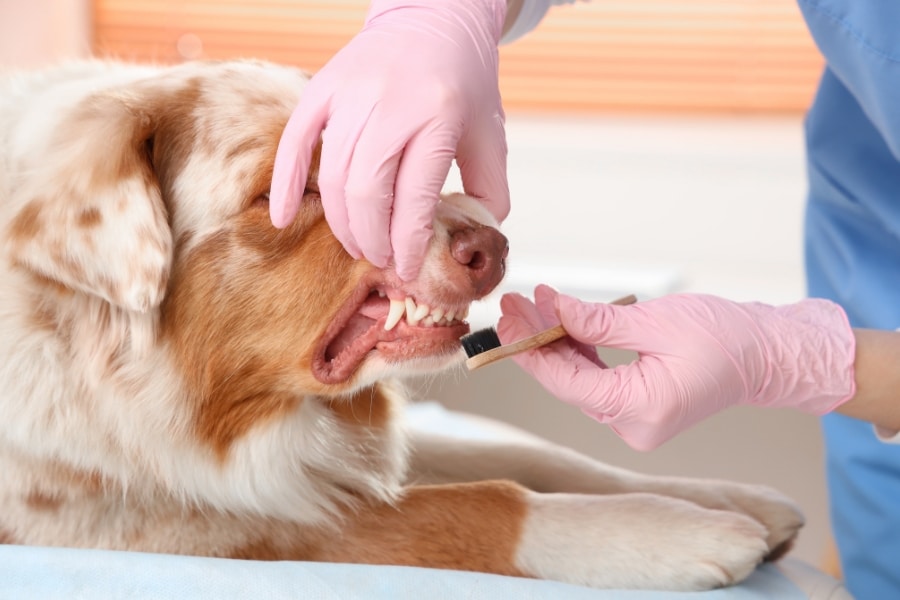
Regular brushing can help reduce plaque buildup. Introduce dental care gradually, especially if your pet is unfamiliar with having their mouth handled.

Use a toothbrush and toothpaste designed specifically for pets. Human toothpaste should not be used unless your veterinarian specifically recommends it.

Daily brushing is ideal when your pet tolerates it, but establishing a consistent routine is a helpful starting point.

Choose Dental Products Carefully

Dental treats, chews, diets, and water additives may complement brushing. However, products are not equally appropriate for every dog or cat.

Ask your veterinarian which options are suitable for your pet’s age, size, chewing habits, and dental condition.

Avoid Extremely Hard Chews

Very hard objects can potentially fracture teeth. Before offering a new chew, consider whether it could place excessive pressure on your pet’s teeth.

Your veterinary team can recommend safer options based on your pet’s individual needs.

Check the Mouth Regularly

Regularly look for changes in your pet’s teeth, gums, and oral tissues. Watch for redness, swelling, tartar, broken teeth, bleeding, loose teeth, or unusual growths.

Never force your pet’s mouth open if they appear uncomfortable. A veterinarian can perform a more complete examination safely.

Why Professional Dental Cleanings Matter

Brushing at home can help control plaque, but it cannot remove established tartar or fully evaluate areas below the gum line.

Professional dental procedures allow the veterinary team to clean difficult-to-reach areas and assess the health of the teeth and surrounding tissues. Depending on your pet’s condition, treatment may involve anesthesia, pre-procedure testing, dental cleaning, polishing, radiographs, and treatment of affected teeth.

Dental radiographs are particularly useful because problems involving tooth roots and supporting bone may not be visible during a basic oral examination.

Dental Care for Puppies, Kittens, and Senior Pets

Starting good dental habits early can make future care easier. Puppies and kittens can gradually become comfortable with gentle mouth handling, brushing, and routine dental examinations.

Older pets may have accumulated years of plaque and tartar or developed missing, damaged, or loose teeth. Dental problems should not simply be considered a normal part of aging. Your veterinarian can recommend a dental plan based on your senior pet’s overall health and oral condition.

When Should You Contact Your Veterinarian?

Some dental concerns require prompt evaluation. Contact your veterinarian if your pet develops facial swelling, significant mouth pain, heavy bleeding, a broken tooth, sudden refusal to eat, severe difficulty chewing, excessive drooling, a new oral growth, or a loose permanent tooth.

Early evaluation can help identify the cause and determine appropriate treatment before the problem becomes more difficult to manage.

Protect Your Pet’s Oral Health

Good dental health requires consistent attention at home and regular veterinary care. Brushing, appropriate dental products, routine examinations, and professional cleanings can all contribute to healthier teeth and gums.

If you notice persistent bad breath, tartar, red gums, changes in chewing, or other signs of oral discomfort, don’t ignore them. Oath Animal Hospital provides dental services and guidance tailored to the individual needs of dogs and cats.

If you are concerned about your pet’s teeth or it has been some time since their last dental examination, schedule an appointment to discuss the right approach for maintaining their oral health.

Frequently Asked Questions

Q1. What are the most common dental problems in dogs and cats?

Ans: Common dental problems include plaque and tartar buildup, gingivitis, periodontal disease, fractured teeth, retained baby teeth, tooth loss, and oral growths. Bad breath, red or swollen gums, difficulty chewing, excessive drooling, and changes in appetite can indicate a dental problem.

Q2. How can I prevent dental disease in my dog or cat?

Ans: Regular tooth brushing with pet-safe dental products is one of the most useful ways to control plaque. You should also schedule veterinary dental examinations, follow your veterinarian’s recommendations for professional cleanings, and use appropriate dental products or diets when advised.

Q3. Does my pet need dental X-rays?

Ans: Dental X-rays may be recommended because important parts of a tooth, including the roots and structures below the gum line, cannot be evaluated adequately by visual examination alone. Your veterinarian can determine whether dental radiographs are appropriate for your pet.

Q4. What pet dental services does Oath Animal Hospital provide?

Ans: Oath Animal Hospital provides dental examinations, professional dental cleanings, dental radiography, and guidance for at-home dental care. Its veterinary team can evaluate dental disease and recommend appropriate treatment based on your pet’s individual needs.

Q5. Does Oath Animal Hospital perform dental cleanings under anesthesia?

Ans: Yes. Oath Animal Hospital states that professional dental cleanings are performed under general anesthesia, with the medical team closely monitoring the pet throughout the procedure and recovery. Pre-surgical blood panels are also performed to help evaluate anesthesia safety.

Signs of Aging in Dogs

Senior Pet Care: What Changes as Your Dog or Cat Gets Older?

Aging is a natural part of life for dogs and cats, but getting older does not mean your pet has to stop enjoying daily activities. Senior pets can continue spending time with their families, exploring, playing, and maintaining a good quality of life. However, their physical and behavioral needs may change over time.

For families in East Meadow, NY, understanding common age-related changes can make it easier to recognize when something is different. Slower movement, weight changes, altered sleeping patterns, appetite changes, grooming differences, or unusual bathroom habits may be associated with aging, but they can also signal an underlying health concern.

Senior pet care focuses on adapting veterinary attention to meet the changing needs of older dogs and cats. Wellness examinations, dental evaluations, nutrition guidance, preventive care, and appropriate diagnostic testing can help monitor your pet’s health and identify potential concerns earlier.

When Does a Pet Become a Senior?

There is no specific age when every dog or cat becomes a senior. Cats often enter their senior years during later adulthood, while dogs can age at different rates depending on their breed and size.

A smaller dog may remain active well into its later years, while a larger breed may experience age-related changes sooner. Your veterinarian can evaluate your pet individually and recommend appropriate monitoring based on their age, health, and lifestyle.

Common Signs of Aging

Age-related changes often happen gradually. Your dog may take longer to stand, walk more slowly, sleep more, or become less interested in long walks. Your cat may stop jumping onto high surfaces, groom less frequently, or spend more time resting.

Changes such as these should not automatically be dismissed as normal aging. Arthritis, dental disease, vision problems, organ conditions, and other health issues can produce similar signs.

Mobility May Change

Older pets may develop stiffness, reduced strength, or difficulty moving. Watch for:

  • Difficulty standing
  • Limping or stiffness
  • Reluctance to use stairs
  • Difficulty jumping
  • Reduced interest in play
  • Changes in walking

Veterinary evaluation can help determine whether pain, joint disease, muscle loss, or another condition is affecting mobility.

Watch Your Pet’s Weight

Weight changes can provide important clues about an older pet’s health. Some pets gain weight because they become less active, while others lose weight because of dental disease, digestive problems, kidney disease, diabetes, thyroid disorders, or other conditions.

Unexpected weight loss should be discussed with your veterinarian rather than being assumed to be part of aging.

Dental Health Remains Important

Years of plaque and tartar buildup can contribute to gum inflammation, periodontal disease, damaged teeth, and oral discomfort.

Signs may include bad breath, red or swollen gums, drooling, difficulty chewing, dropping food, loose teeth, or changes in appetite. Because pets may continue eating despite dental pain, regular dental examinations remain important.

Behavior, Vision, and Hearing Changes

Senior pets may sleep more or prefer quieter surroundings. However, sudden confusion, nighttime restlessness, irritability, changes in social behavior, or unusual bathroom habits deserve attention.

Hearing and vision may also decline with age. Bumping into objects, startling easily, hesitating on stairs, or failing to respond to familiar sounds can indicate sensory changes or other medical conditions.

Senior Wellness Exams and Screening

Older pets may have a higher risk of chronic conditions such as kidney disease, diabetes, thyroid problems, heart disease, and liver disorders. Depending on your pet’s needs, your veterinarian may recommend bloodwork, urine testing, blood pressure checks, imaging, or other diagnostics.

Regular examinations help establish health trends and make subtle changes easier to identify.

Making Home More Comfortable

Simple adjustments can help an aging pet navigate daily life. Provide comfortable bedding, stable flooring, easy access to food and water, and convenient bathroom areas. Shorter walks and gentle play may be more appropriate than strenuous activity.

Nutrition may also need to change based on your pet’s body condition, activity level, medical history, and dietary requirements.

When to Contact Your Veterinarian

Contact your veterinarian if your senior pet develops sudden weight loss, major appetite changes, persistent vomiting or diarrhea, difficulty breathing, changes in drinking or urination, difficulty walking, loss of balance, significant behavioral changes, or signs of pain.

Supporting Your Senior Pet

Aging is not a disease, but older pets may require closer observation and adjustments to their care. Paying attention to changes in mobility, appetite, weight, dental health, behavior, and daily routines can help you identify concerns sooner.

We provide veterinary care tailored to pets at different life stages. If you have noticed changes in your older dog or cat, schedule an appointment to discuss their health and ongoing care needs.

Frequently Asked Questions

Q1. What age is considered senior for dogs and cats?

Ans: Senior age varies by species, breed, size, and individual health. Many cats enter their senior years around 7 to 10 years, while dogs can reach senior status at different ages depending on their breed and size. Your veterinarian can determine when your pet should receive more intensive senior monitoring.

Q2. How often should a senior pet see a veterinarian?

Ans: Many senior pets benefit from veterinary examinations every six months. More frequent visits may be appropriate for pets with chronic diseases, advanced age, or changing health concerns. Regular examinations help veterinarians identify developing problems earlier. Oath Animal Hospital specifically recommends twice-yearly wellness examinations and more diligent monitoring for pets with advanced age or specific health issues.

Q3. What are common signs that a pet is getting older?

Ans: Common age-related changes include reduced activity, slower movement, increased sleeping, changes in weight, reduced hearing or vision, and behavioral changes. However, these symptoms can also indicate disease, pain, or another medical condition. A veterinary examination can help determine the underlying cause.

Q4. Why choose Oath Animal Hospital for senior pet care?

Ans: Oath Animal Hospital provides comprehensive veterinary care for dogs and cats in East Meadow, including senior pet care, preventative wellness, diagnostic care, pet dentistry, internal medicine, and surgical services. The hospital uses a preventative approach designed to support pets throughout their lives.

Q5. Does Oath Animal Hospital provide dental care for senior pets?

Ans: Yes. Pet dentistry is one of the veterinary services offered by Oath Animal Hospital. Dental evaluations can be particularly important for senior pets because untreated oral disease may cause pain and affect overall health.

pet-surgery-recovery-east-meadow-ny

Pet Surgery Recovery: How to Help Your Dog or Cat Heal Safely

When a dog or cat undergoes an operation, getting through the procedure is only the beginning. The care your pet receives at home can play an important role in healing. Rest, medication, proper nutrition, incision monitoring, and activity restrictions can all help support a smoother recovery.

For pet owners in East Meadow, NY, knowing how to care for a recovering dog or cat can make the days following an operation feel more manageable. Having clear instructions from your veterinary team can also help you recognize normal recovery changes and know when something may need attention.

Pet surgery may be recommended for many reasons, including soft-tissue conditions, orthopedic problems, foreign-body removal, mass removal, and routine procedures such as spaying and neutering. Since every operation is different, your pet’s recovery plan will depend on the procedure performed, their overall health, and their individual needs.

Give Your Pet a Calm Place to Recover

After anesthesia, your pet may be sleepy, unsteady, confused, or less interested in food. These effects can be temporary as the medication wears off.

Set up a quiet recovery area where your pet can rest comfortably. Keep them away from young children, active pets, stairs, and areas with heavy household activity. Dogs should have easy access to a safe place for controlled bathroom breaks, while cats should have food, water, and a litter box nearby.

Limit Exercise and Activity

Pets often begin feeling better before their bodies have completely healed. A dog may want to run or play, while a cat may attempt to jump onto furniture or climb.

Too much activity can put pressure on healing tissues and may contribute to swelling, bleeding, incision problems, or delayed healing. Your veterinarian may recommend short leash walks, crate rest, room restriction, or avoiding running, jumping, stairs, and rough play.

Follow the recommended restrictions even if your pet seems energetic.

Give Medications Correctly

Your veterinarian may prescribe medications to help manage pain, inflammation, infection risk, or other postoperative concerns. Give medications according to the prescribed dose and schedule.

Never change the dosage, stop medication early, or give leftover or human medication without veterinary approval. Some medications intended for people can be dangerous for dogs and cats.

If your pet vomits after receiving medication, refuses a dose, or develops an unusual reaction, contact your veterinary team for advice.

Check the Incision Regularly

If your pet has an external incision, monitor it as instructed by your veterinarian. Some mild redness or swelling can occur during healing, but changes that become more noticeable should be evaluated.

Contact your veterinarian if you notice:

  • Excessive swelling
  • Persistent bleeding
  • Increasing redness
  • Pus or discharge
  • Foul odor
  • Significant bruising
  • An opening in the incision
  • Persistent licking or chewing

Avoid applying creams, peroxide, alcohol, or other products unless your veterinarian specifically recommends them.

Stop Licking and Chewing

Pets may lick or chew an area that feels uncomfortable. Unfortunately, this can irritate the incision, introduce bacteria, or cause the wound to reopen.

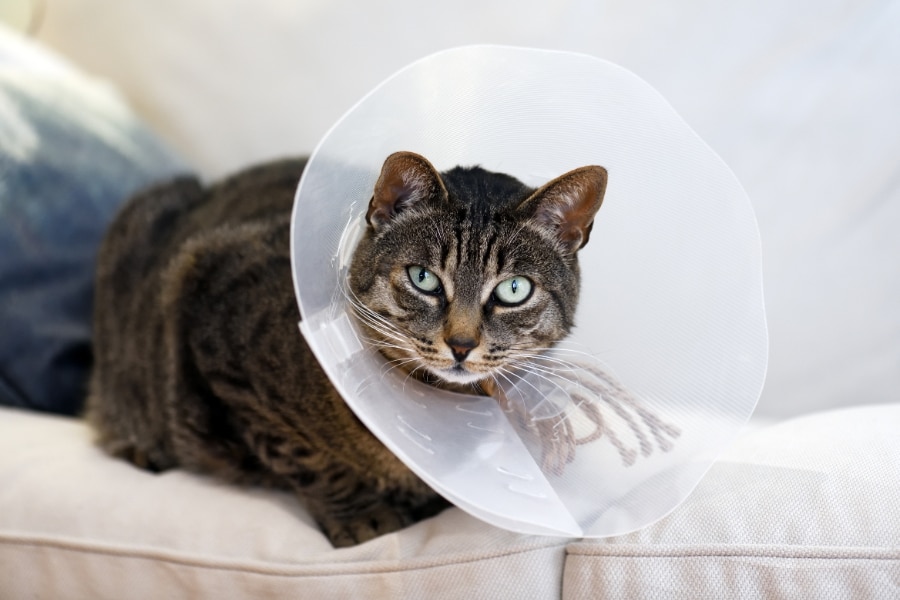
An Elizabethan collar, recovery suit, or another protective device may be recommended. If your pet can still reach the incision or repeatedly removes the protective device, contact your veterinary team for alternative options.

Keep the Surgical Site Dry

Do not allow your pet to swim, bathe, or participate in activities that could make the incision wet or dirty until your veterinarian says it is safe.

If the surgical area becomes wet or contaminated, ask your veterinary team how it should be handled instead of using household cleaning products.

Monitor Food, Water, and Bathroom Habits

A temporary decrease in appetite can occur after anesthesia or surgery. Follow your veterinarian’s feeding instructions and monitor how much your pet eats and drinks.

Also pay attention to vomiting, diarrhea, urination, and bowel movements. Repeated vomiting, significant digestive changes, difficulty urinating, or repeated attempts to urinate without producing urine should be reported promptly.

Watch for Signs of Discomfort

Pets do not always show pain in obvious ways. Dogs may become restless, withdrawn, vocal, or reluctant to move. Cats may hide, become unusually quiet, stop grooming, or react differently when touched.

Other possible signs include panting, trembling, reduced appetite, unusual posture, and difficulty getting comfortable. If you believe your pet is experiencing pain despite prescribed medication, contact your veterinarian.

Keep Follow-Up Appointments

Follow-up visits allow your veterinarian to check your pet’s progress and identify potential problems. Depending on the procedure, the examination may include checking the incision, swelling, mobility, pain level, or sutures and staples.

Do not skip a recommended appointment simply because your pet appears to be doing well. Internal tissues can continue healing even after the outside of an incision looks better.

Recovery Depends on the Procedure

Recovery can vary significantly depending on the type of operation. Pets recovering from routine spay or neuter procedures may have shorter restrictions, while orthopedic procedures can require a longer and more carefully controlled recovery period.

Soft-tissue and foreign-body procedures may also involve specific feeding, medication, activity, and monitoring instructions. Always follow the individualized plan provided by your veterinary team.

Know When to Seek Immediate Help

Some symptoms require prompt veterinary attention. Contact your veterinarian if your pet develops worsening pain, excessive bleeding, significant swelling, incision separation, repeated vomiting, extreme weakness, or persistent refusal to eat.

Difficulty breathing, collapse, uncontrolled bleeding, or another sudden and severe change should be treated as an emergency. Seek immediate veterinary care in these situations.

Helping Your Pet Heal

A successful recovery requires patience and consistent care. Give your pet a comfortable place to rest, follow medication instructions, restrict activity as recommended, protect the incision, and keep all follow-up appointments.

For pet families in East Meadow, having veterinary support throughout the surgical and recovery process can provide valuable guidance. Oath Animal Hospital provides surgical care and postoperative guidance based on each pet’s condition and procedure. If your dog or cat needs an operation or you have concerns about recovery, schedule an appointment to discuss your pet’s needs with the veterinary team.

Frequently Asked Questions

Q1. How long does it take for a dog or cat to recover from surgery?

Ans: Recovery time varies depending on the type of surgery, your pet’s age and health, and the procedure’s complexity. Some routine procedures may require relatively short activity restrictions, while orthopedic or abdominal surgeries may require a longer recovery period. Always follow the timeline provided by your veterinarian.

Q2. How can I stop my pet from licking the surgical incision?

Ans: Your veterinarian may recommend an Elizabethan collar, recovery suit, or another protective device. Keep your pet supervised and prevent access to the incision until it has healed sufficiently. Contact your veterinary team if your pet repeatedly removes the protective device.

Q3. What symptoms should I watch for after my pet’s surgery?

Ans: Watch for excessive bleeding, significant swelling, worsening pain, incision separation, discharge, foul odor, repeated vomiting, severe weakness, difficulty breathing, or other unusual changes. Contact your veterinarian promptly if you notice concerning symptoms.

Q4. What types of pet surgery does Oath Animal Hospital provide?

Ans: Oath Animal Hospital provides general and advanced veterinary surgery, including soft-tissue procedures, orthopedic surgery, foreign-body removal, tumor and growth removal, and spay/neuter procedures. The hospital also provides diagnostic and other veterinary services to support comprehensive patient care.

Q5. Does Oath Animal Hospital monitor pets during surgical recovery?

Ans: Yes. Oath Animal Hospital states that its team closely monitors patients before, during, and after surgery and focuses on keeping pets comfortable throughout the process. The team also discusses postoperative care with pet owners.

Puppy and Kitten

Your Puppy or Kitten’s First Vet Visit: A Complete Guide

Bringing home a puppy or kitten is exciting, but it also comes with important responsibilities. Along with preparing food, bedding, toys, and a safe environment, arranging an early veterinary examination should be a priority. The first visit helps establish a health baseline and gives you an opportunity to understand your new pet’s healthcare needs.

For families in East Meadow, NY, an early veterinary visit can help identify potential health concerns and establish a preventive care routine. Puppies and kittens grow quickly, so their vaccination, nutrition, parasite prevention, and wellness needs can change as they develop.

Puppy & Kitten Care is designed to support young pets during these important early stages. Veterinary examinations, vaccinations, parasite screening, nutrition guidance, behavioral advice, and preventive care can help give your new companion a healthy start.

When Should Your Puppy or Kitten Visit the Vet?

Schedule your puppy or kitten’s first examination soon after bringing them home. The timing may depend on their age, health history, vaccination records, and previous care.

Bring any records provided by a breeder, shelter, rescue organization, or previous owner. If records are incomplete, your veterinarian can still create an appropriate healthcare plan based on the information available.

What Happens During the First Examination?

The first appointment typically includes a complete physical examination. Your veterinarian may evaluate your pet’s:

  • Eyes and ears
  • Mouth and teeth
  • Heart and lungs
  • Skin and coat
  • Abdomen
  • Musculoskeletal system
  • Weight and body condition
  • Overall development

This initial examination establishes a baseline that can be compared during future visits.

Vaccinations and Parasite Prevention

Vaccinations are an important part of protecting young pets from serious infectious diseases. Your veterinarian will recommend vaccines based on factors such as age, previous vaccinations, lifestyle, and potential exposure risks.

Parasite prevention is also important because puppies and kittens can carry intestinal parasites even when they appear healthy. Your veterinarian may recommend fecal testing and preventive treatments for intestinal parasites, fleas, ticks, and heartworms when appropriate.

Nutrition and Healthy Growth

Puppies and kittens have different nutritional needs than adult pets. Proper nutrition supports healthy growth, development, and body condition.

Your veterinarian can recommend appropriate food, portions, and feeding schedules based on your pet’s age, breed, size, activity level, and health. Avoid making major dietary changes without professional guidance.

Discuss Spaying and Neutering

Early veterinary visits are a good opportunity to discuss spaying or neutering. Your veterinarian can explain potential benefits, appropriate timing, preparation, and recovery based on your pet’s individual circumstances.

Planning ahead allows you to understand the procedure and make informed decisions about your pet’s care.

Consider Microchipping

Puppies and kittens can easily slip through an open door or gate. A microchip provides permanent identification and can improve the chances of being reunited if your pet becomes lost.

Microchipping should be used alongside a collar and identification tag.

Behavior and Socialization

Veterinary care also includes guidance on healthy behavior. Ask about house training, crate training, safe socialization, biting, chewing, scratching, fear, anxiety, and introducing your new pet to children or other animals.

Addressing behavior concerns early can help prevent unwanted habits from becoming more difficult to manage.

How Often Will Your Pet Need Vet Visits?

The first appointment is only the beginning. Puppies and kittens usually need several visits during their first year for vaccinations, growth monitoring, parasite prevention, and other preventive care.

Your veterinarian will establish a schedule based on your pet’s age, health, lifestyle, and individual risk factors.

Making Future Visits Easier

You can help your puppy or kitten become comfortable with veterinary care by making the carrier or crate familiar at home. Short car rides, gentle handling, and positive rewards can also make future visits less stressful.

Practice gently touching your pet’s paws, ears, mouth, and body so they become accustomed to routine handling.

Give Your New Pet a Healthy Start

Your puppy or kitten’s first veterinary visit establishes the foundation for lifelong preventive care. Regular examinations, vaccinations, parasite prevention, nutrition guidance, behavioral support, and identification can help you make informed decisions as your pet grows.

We provide veterinary care for puppies and kittens and can help create a preventive care plan suited to your young pet’s needs. Schedule an appointment to discuss your puppy or kitten’s health and development.

Frequently Asked Questions

Q1. What should I bring to my puppy or kitten’s first vet visit?

Ans: Bring vaccination and medical records, adoption or breeder information, details about current food and medications, and a list of questions. If possible, also bring a fresh stool sample if your veterinarian has requested fecal testing.

Q2. Will my puppy or kitten receive vaccinations during the first visit?

Ans: Vaccination recommendations depend on your pet’s age, previous vaccination history, lifestyle, and health status. Your veterinarian will determine which vaccines are appropriate and establish a schedule for follow-up doses.

Q3. Why does my young pet need parasite testing?

Ans: Puppies and kittens are particularly susceptible to intestinal parasites. Fecal testing can help identify parasites that may not produce obvious symptoms. Some parasites can also affect people, making prevention and testing important for the entire household.

Q4. Why choose Oath Animal Hospital for puppy and kitten care?

Ans: Oath Animal Hospital provides puppy and kitten examinations in East Meadow, including physical examinations, vaccination guidance, routine testing, parasite care, microchipping, and preventive health recommendations. Its veterinary team works with new owners to establish an appropriate healthcare plan.

Q5. Does Oath Animal Hospital offer preventive care for young pets?

Ans: Yes. Oath Animal Hospital provides comprehensive preventive care that includes wellness examinations, customized vaccination recommendations, parasite prevention, nutrition and weight-management guidance, behavior counseling, and other services designed to support pets throughout their lives.

Q6. How can I schedule my puppy or kitten’s first examination?

Ans: Contact Oath Animal Hospital to arrange your puppy or kitten’s first veterinary examination and discuss the preventive care your new companion needs.

From Pyometra To Playful - A Success Story

From Pyometra to Playful – A Success Story

A few hours before surgery

The office called me at home, “Dr. Funk – we have new patient here, a really friendly English Bulldog named Miss Muffin, who may need urgent surgery. The pet parents are working hard to find her help – Miss Muffin’s condition can’t wait until next week – are you available to come in this weekend?” It’s not that simple as I need an emergency team to come in with me for the surgery, but my Oath Animal Team circled the wagons. We were lucky we were able to coordinate a surgery team on very short notice to help.

Time of surgery

“What are you doing here?!” the regular Saturday team asked. I told them I was here to help a pet and my emergency technician was setting up the Operating Room as we speak. The unique feeling of ‘doing surgery when you don’t usually do surgery’ was only overshadowed by the task at hand – remove Miss Muffin’s severely infected uterus before she goes septic. A good  surgery was only the first step to success.

Recheck two weeks later

Miss Muffin had recovered without complications, her incision healed beautifully, and her true personality flourished. I had only seen her sick and infected so seeing her happy, playful, and pain-free was delightful. You couldn’t tell she has a life-saving surgery only days beforehand!

If the infection in her uterus spread, she could have become septic and could have died. One can imagine just how painful that must be and how that would make anyone feel!

Dog owners aim to provide the best possible life for their pets through good health and longevity. Intact female dogs face a significant yet avoidable health threat known as pyometra. Recognizing the severity of this disease along with the necessity of spaying your dog can save her life.

Unspayed female dogs can develop pyometra –  a dangerous uterine infection that can lead to death. The condition arises from hormonal changes after a female dog’s heat cycle which causes bacteria and pus to build up inside the uterus. Untreated pyometra develops rapidly and it poses a risk of causing sepsis or kidney failure and can lead to death. Common signs include, but are not limited to:

  • Lethargy
  • Loss of appetite
  • Increased thirst and urination
  • Vomiting
  • Abdominal swelling
  • Fever
  • Foul-smelling vaginal discharge (in open pyometra)

Pyometra develops quickly which necessitates immediate veterinary treatment, making the condition significant and dangerous. Without treatment the infection will enter the bloodstream which results in septic shock followed by organ failure and death.

The best way to treat pyometra is to perform immediate surgical removal of the infected uterus through an ovariohysterectomy (spay). Surgical procedures on ill animals present higher risks compared to standard spays – internal blood vessels are more friable translating to bleeding being more likely and more difficult to stop. If not extremely careful, the infected uterine contents can spill into – and contaminate –  the abdomen, leading to ongoing infection.

The only way to guarantee prevention of pyometra is through spaying which involves the surgical removal of the ovaries and uterus. By spaying your dog you stop the hormonal changes that lead to pyometra development and protect your pet from this dangerous condition. The surgical procedure of spaying also lowers the threat of mammary tumors while eliminating the potential for uterine cancer and stopping unexpected pregnancies. Breed and size dictate the optimal time to spay dogs is between 6 and 18 months of age and coordinated at least 6-8 weeks after any estrus (heat) cycle occurs. Consistent with the phrase, better late than never, spaying older dogs remains beneficial because it continues to reduce their risk of developing pyometra and other reproductive-related diseases.

Dog owners need to know about pyometra since it is a dangerous and life-threatening condition that can generally be prevented. Spaying your dog protects her long-term health and well-being. If there are no plans to show or breed your female dog, please schedule a consult with Oath Animal Hospital to explore treatment options and create a plan. Taking proactive steps today will help maintain your pet’s health, avoid a painful, life-threatening potential, and keep her happy throughout her life.

View Miss Muffin’s recovery below!

On Facebook:
https://www.facebook.com/DrMikeFunk/videos/1096398782288886

On Instagram:
https://www.instagram.com/p/DGy_kfzi7W_

Dr. Mike Funk
DVM, Medical Director, Owner
Oath Animal Hospital

MARCH, 2025

Reflecting on Oath Animal Hospital’s 2024

Reflecting on Oath Animal Hospital’s 2024

It was a year that stands as a testament to Oath’s expansion and strengthened community trust through perseverance and growth. When I wrapped up with the team, we all had a deep satisfaction and thankfulness as we completed the year. Our hospital, us as individuals, and our surrounding community experienced our significant growth throughout the last year.

Reflecting on Oath Animal Hospital’s 2024Despite facing a few unexpected obstacles, my team demonstrated remarkable strength and resilience throughout the year. One doctor down for most of the year, we maintained our unwavering dedication to exceptional care despite all obstacles that came our way. The support from pet owners and our community members through conversation, online reviews, and a kind smile, often provided us with the motivation to just keep moving forward.
Adversity paled in comparison to our dedication to community programs. Despite logistic obstructions, we still expanded our presence beyond our hospital premises. Our primary focus has been to make a significant positive difference beyond veterinary services by organizing educational tours for children, sponsoring fundraisers for local animal rescues, and giving back to our community. Our mission at Oath is fundamentally centered on creating long-lasting connections with our community members not only through sharing the responsibility of pet ownership, but also engaging them outside the walls of our hospital. Girl Scout hospital tours, Dr. Funk’s Fantasy Football Invitational, and Brie-Bear’s Bear Repair are quickly becoming woven into the fabric of Oath Animal Hospital’s history.

A tremendous amount of pressure and perseverance in 2024 helped me narrow our larger focus on growing the hospital – we know we had room to provide our local area with more doctors and services. Reflecting back on the year, the difficult journey that was 2024 was the definitive process needed to set up Oath for a tremendous year to come! In early 2025, we have already doubled Oath’s veterinarians with the addition of an exceptional veterinarian, Dr. Olivia Grittani. Reflecting on Oath Animal Hospital’s 2024We deepened our support team thus, expanding and developing the synergy that’s needed to provide the level of care we set as standard at Oath Animal Hospital. Our young hospital reflects our journey from simple origins to veterinary excellence through its embodiment of perseverance and dedication. We do things differently here – it has already come to be known as “The Oath Difference.”

No growth and increase should be done without acknowledging the shoulders that held you up. Reflecting on the year reminds me how thankful I am for the trust our clients have placed in Oath Animal Hospital. Your faith in my team – in me – Inspires our daily passion and commitment to both clients and community partners. We take great pride in being an integral part of your pet’s healthcare journey and promise to keep surpassing your expectations throughout the future years.

I am grateful for your engagement and support of Oath Animal Hospital to be – and surpass – the differences we can bring to pet medicine and veterinary client services. Let’s continue to celebrate the future filled with compassion, care, and excellence as Oath Animal Hospital continues to grow. Watch us narrow the distance between it being an amazing and exceptional animal hospital on Long Island and the future goals we have set for ourselves.

Thank you,

Dr. Mike Funk
DVM, Medical Director, Owner
Oath Animal Hospital

JANUARY, 2025