Thanksgiving is the day of love, thanks and feasting so there is no doubt we’d like our furbabies to be part of the festivities. Despite all the festivities, we still want our pets to be healthy. Here, we will give you the important safety advice and activities that will make Thanksgiving special for you and your furry friends.
Thanksgiving Tips
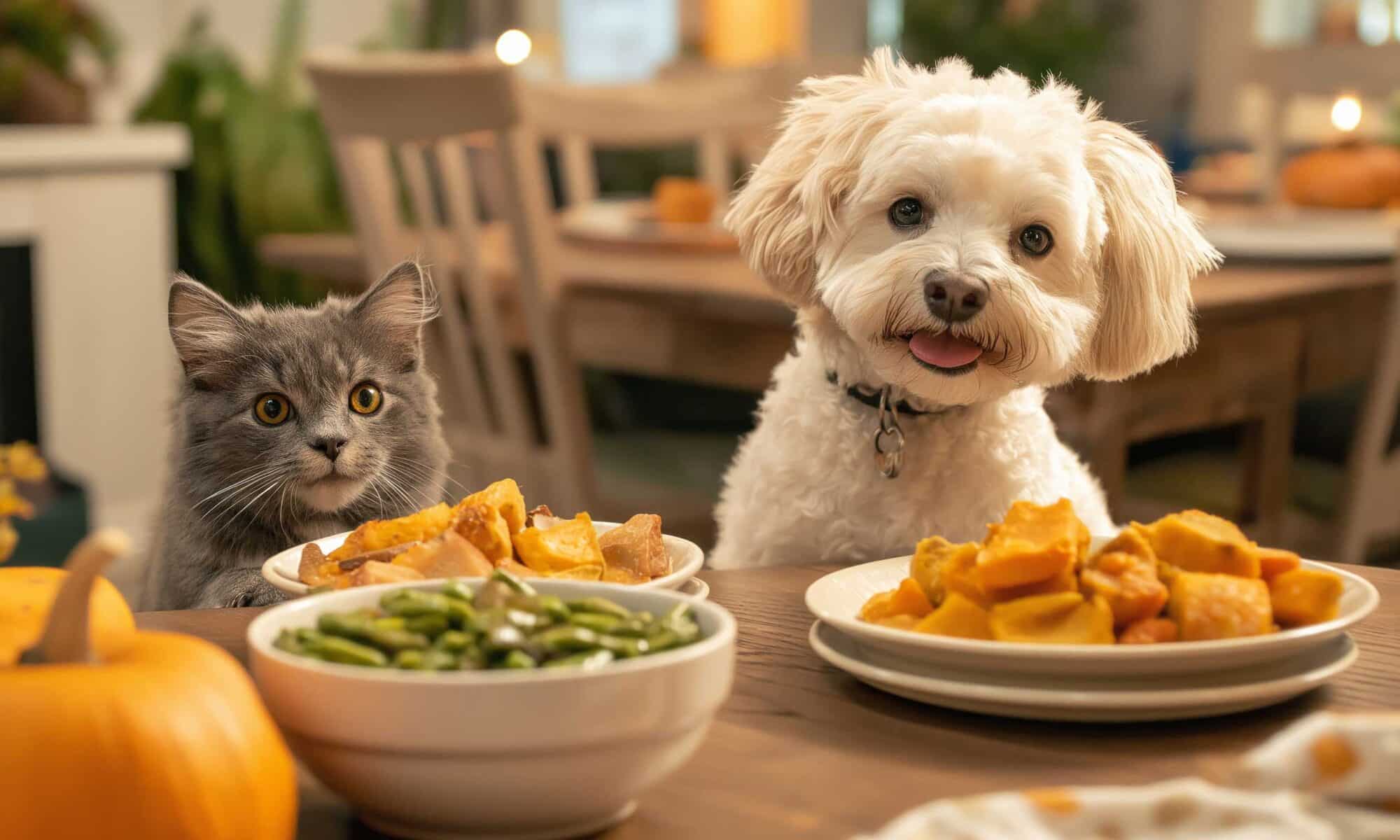
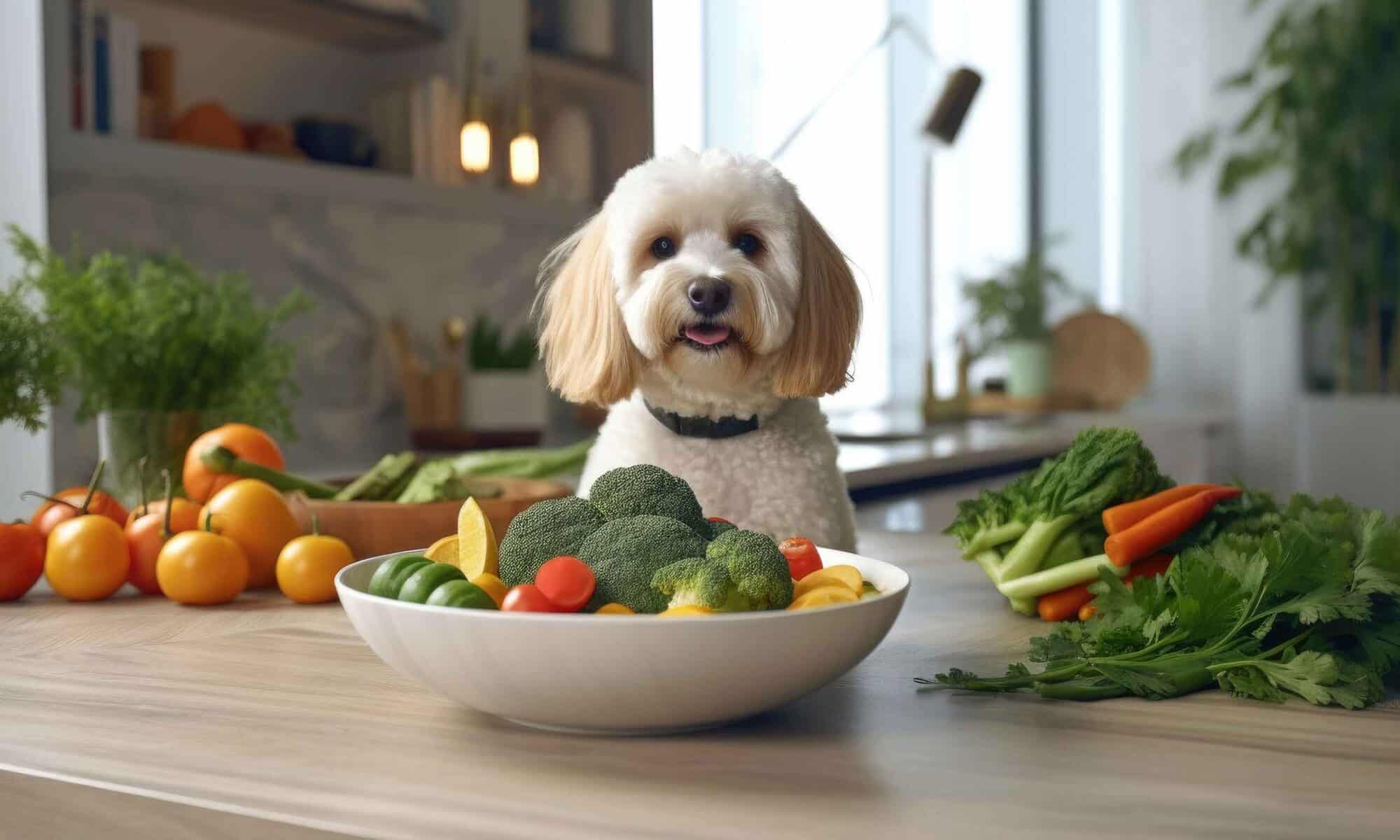
Remember the Menu: While we feast on gallons of goodies, not everything on the Thanksgiving menu is pet-friendly. Don’t give them onions, garlic, grapes, raisins, chocolate, liquor, or anything that is xylitol-sweetened. Rather, use pet-friendly treats or provide small amounts of healthy foods such as cooked turkey, bland sweet potatoes, or green beans.
Beware of Bones: You may want to share a turkey bone with your pet but it is incredibly dangerous. Dried bones break apart and may lead to choking or serious internal injuries. Instead, give them boneless, skinless bits of fried turkey.
Clear Countertops: In the clamoring kitchen, pets might steal a bite! Keep countertops clean and place all food away from the counter to ensure that it does not get eaten accidentally and exposes you to toxic chemicals.
Tie up that Trash: Drop turkey bones, food wrappers, and other potentially dangerous materials into a safe trash can. Excited pets might try their hand at exploring the rubbish and they can end up consuming toxic stuff.
Make a Safe Space: When you’re hosting guests, set up a quiet and comfortable place where your pets can go to escape the crowd. You should offer them the toys, bedding and water they love.
Don’t Use Decorated Plants: Many common Thanksgiving plants, including poinsettias, holly, and lilies, are poisonous to pets. Use dog-friendly décor or keep them away from kids.
Restrict Table Scraps: You may want to throw a little bit of everything out but don’t mess with table scraps. Consuming too many high-calorie or saturated foods can upset the stomach or worsen health conditions. Stick to small, safe portions.
Thanksgiving Fun for Furry Friends
Treats: Create a few homemade pet friendly treats to give your pets a special Thanksgiving meal of their own.
Thanksgiving Walk: Take your dogs for an autumn walk and enjoy all the sights and smells of the season. It’s a fun way to share and expend some extra holiday energy – not to mention good for our own digestion post-meal!
Gratitude Playtime: Spend time with your pets playing at their favorite activities. Give them some extra affection and love to show them that they’re a part of your family.
Thanksgiving is the day to enjoy our families, pets and friends. You will make the most of your safe holiday by heeding these safety precautions and throwing in some treats for your pets. Doing so will avoid what we in the veterinary field call the day after Thanksgiving, “Happy Pancreatitis Day!” We at Oath Animal Hospital want to wish you and your pet a Happy and Blessed Thanksgiving!
NOVEMBER, 2024











 Apples are a fantastic source of vitamins A and C, as well as fiber. Remove seeds and core before offering to your pets.