pet-preventative-care-east-meadow

What Happens When Preventative Care Is Delayed for Dogs and Cats?

A dog that seems energetic or a cat that continues eating normally may appear to be in good health. However, some medical conditions develop gradually, and pets do not always show obvious signs when something is wrong. Skipping routine veterinary visits can allow certain health concerns to go unnoticed.

For pet owners in East Meadow, NY, keeping up with routine veterinary care helps protect dogs and cats from preventable health risks. Wellness exams give veterinarians an opportunity to evaluate changes in health, review vaccinations, and identify concerns that may not be apparent at home.

Preventative pet care also helps establish a health baseline for your pet. When checkups, vaccinations, dental evaluations, and parasite prevention are delayed, important opportunities to identify and manage health problems may be missed.

What Happens When Preventative Care Is Delayed?

Delaying preventative care can leave pets vulnerable to preventable illnesses, parasite infections, dental problems, and health conditions that may go undetected. It does not mean a pet will automatically become sick, but it can make early identification and timely care more difficult.

Routine veterinary visits help monitor a pet’s health over time. Without them, gradual changes in weight, mobility, appetite, dental health, or organ function may not receive attention until noticeable symptoms develop.

What Health Risks Can Develop When Routine Care Is Missed?

Several areas of a pet’s health may be affected when preventive services are postponed.

1. Vaccination Protection May Fall Behind

Vaccinations help protect dogs and cats against specific infectious diseases. When recommended doses or boosters are missed, a pet’s protection may not remain current.

The appropriate vaccination schedule depends on age, medical history, previous vaccines, lifestyle, and exposure risks. Your veterinarian can review your pet’s records and determine which vaccinations are needed rather than automatically repeating every dose.

2. Parasite Problems May Go Undetected

Fleas, ticks, heartworms, and intestinal parasites can affect pets even when they appear healthy. Some infections cause subtle symptoms at first, while others may lead to more serious health concerns if left untreated.

Delaying parasite prevention or recommended testing can increase the chance that an infestation or infection will go unnoticed. Consistent prevention and appropriate screening help reduce these risks.

3. Dental Disease Can Progress

Plaque and tartar can accumulate on teeth over time, contributing to gum inflammation and periodontal disease. Early dental problems may be difficult to recognize, especially if a pet continues eating normally.

Bad breath, drooling, difficulty chewing, and changes in appetite may indicate oral discomfort. Regular dental evaluations can help identify problems before they become more advanced.

4. Early Signs of Medical Conditions May Be Missed

Routine examinations allow veterinarians to assess weight, body condition, heart and lung function, skin, eyes, ears, and other aspects of health. Depending on the findings, blood work, urinalysis, or other diagnostic tests may be recommended.

Without regular checkups, changes associated with certain chronic conditions may remain unnoticed. Early evaluation can provide more opportunities to discuss appropriate treatment and management.

How Can You Get Your Pet’s Preventive Care Back on Track?

If your pet has missed several appointments, you do not need to guess which services are overdue. Start by scheduling a wellness examination and sharing any available medical records with your veterinarian.

The veterinary team can review vaccination history, parasite prevention, dental health, weight, and previous medical concerns. Your pet may need diagnostic testing or updated preventive treatments based on individual risk factors.

Avoid giving extra vaccine doses or combining treatments without veterinary guidance. A personalized plan helps prioritize your pet’s needs without unnecessary procedures.

How Often Should Dogs and Cats Receive Preventive Care?

The ideal schedule depends on a pet’s age, health, and lifestyle. Puppies and kittens generally need more frequent visits during their first year, while adult pets need ongoing wellness assessments and preventive care.

Senior pets and animals with existing medical conditions may benefit from more frequent monitoring. Oath Animal Hospital recommends wellness examinations every six months and may suggest closer monitoring for pets with specific health concerns or advanced age.

When Should You Contact a Veterinarian?

Do not wait for a routine appointment if your pet develops persistent vomiting, diarrhea, unexplained weight loss, increased thirst, changes in appetite, coughing, or unusual tiredness. These signs may require an earlier examination.

Difficulty breathing, collapse, seizures, or sudden inability to stand require urgent veterinary attention. Even if your pet seems comfortable, schedule a wellness visit if vaccinations, parasite prevention, or routine examinations are overdue.

Preventative pet care helps veterinarians identify potential health concerns, maintain appropriate vaccination and parasite protection, and monitor changes throughout a pet’s life. Oath Animal Hospital provides wellness examinations, customized vaccination recommendations, parasite prevention, dental care, and diagnostic services to support dogs and cats at different life stages.

If your pet has missed a routine checkup or preventive treatment, schedule an appointment to review their health and create an appropriate care plan. Getting back on track can help you make informed decisions about your pet’s long-term well-being.

Frequently Asked Questions

Q1. Can delaying wellness exams make health problems harder to detect?

Ans: Yes. Some medical conditions develop gradually without obvious symptoms. Delayed examinations may mean that changes in weight, dental health, or organ function are not identified as early as they could be.

Q2. What should I do if my dog’s or cat’s vaccinations are overdue?

Ans: Arrange a veterinary examination and bring any available vaccination records. Your veterinarian can review previous doses and recommend an appropriate catch-up schedule based on your pet’s age, health, and exposure risks.

Q3. Is preventative care necessary for indoor cats?

Ans: Yes. Indoor cats still need routine examinations, dental evaluations, and appropriate vaccinations and parasite prevention. Their individual needs may differ from outdoor cats, but staying indoors does not eliminate every health risk.

Q4. How often does Oath Animal Hospital recommend wellness examinations?

Ans: Oath Animal Hospital recommends wellness examinations every six months for pets. Animals with existing health conditions or advanced age may need more frequent monitoring based on veterinary recommendations.

Q5. Does Oath Animal Hospital offer parasite testing and prevention?

Ans: Yes. The hospital provides parasite screening and prevention guidance for concerns involving fleas, ticks, heartworms, and intestinal parasites. Recommendations are tailored to each pet’s needs and exposure risks.

Q6. Can Oath Animal Hospital help pets that have missed routine preventive care?

Ans: Yes. The veterinary team can review your pet’s medical history, perform a wellness examination, assess overdue vaccinations and preventive treatments, and recommend appropriate next steps.
pet-dentistry-east-meadow

How Can Dental Problems Affect Your Pet’s Ability to Enjoy Their Favorite Activities?

A dog who once raced after a favorite ball may start losing interest in fetch. A cat who loved crunchy treats might begin avoiding them or stop playing with chew toys. These changes can seem like ordinary shifts in behavior, but sometimes discomfort in the mouth is part of the reason.

For pet owners in East Meadow, NY, recognizing these small changes can help identify dental concerns before they interfere further with a pet’s daily routine. Dogs and cats may hide oral pain, and they do not always stop eating or playing when something is wrong.

Good pet dental care involves more than keeping teeth clean. It also means recognizing how oral discomfort can affect eating, playing, grooming, and interacting with family members. Understanding these connections can help you know when your pet may need a dental examination.

How Can Dental Problems Change Your Pet’s Daily Activities?

Dental problems can make everyday activities uncomfortable. Inflamed gums, damaged teeth, and periodontal disease may cause pain when pets chew, carry toys, groom themselves, or use their mouths during play.

A pet may not show obvious signs of pain. Instead, you might notice shorter play sessions, less interest in favorite toys, or changes in familiar routines.

1. Less Interest in Fetching, Chewing, and Playing

Dogs often use their mouths to pick up balls, carry toys, and play tug-of-war. Cats may bite or chew toys during play. A sore tooth or inflamed gum can make these activities uncomfortable.

You might notice your pet:

  • Stops bringing toys back during fetch
  • Drops toys shortly after picking them up
  • Avoids tug-of-war or chew toys
  • Plays for shorter periods than usual
  • Becomes reluctant to pick up objects with their mouth

These changes do not automatically mean dental disease is responsible, but persistent differences deserve attention.

2. Changes in Eating and Treat Preferences

Dental discomfort can make chewing difficult, particularly when a pet bites down on hard kibble, crunchy treats, or firm dental chews.

Some pets may eat more slowly, chew on one side, drop food, or avoid certain textures. Others may continue eating but show less excitement around mealtime.

If your pet suddenly prefers softer food or seems uncomfortable while chewing, a dental examination can help determine whether an oral problem is involved.

3. Reduced Grooming and Self-Care

Cats rely on their mouths and tongues to groom their coats. Oral discomfort may make grooming less comfortable, leading some cats to spend less time cleaning themselves.

You may notice a coat that looks less tidy, more loose hair, or a change in your cat’s usual grooming routine. These signs can have several causes, including mobility problems or other health conditions, so they should not be assumed to indicate dental disease without an examination.

4. Changes in Mood and Social Interaction

A pet experiencing ongoing oral discomfort may become less playful, more withdrawn, or unusually irritable. Some pets may resist having their faces touched or pull away when someone tries to examine their mouths.

If your normally affectionate pet begins avoiding interaction, consider whether discomfort could be contributing to the change.

What Dental Problems Can Cause These Changes?

Several oral health conditions may interfere with normal activities:

  • Gingivitis: Inflammation of the gums that can cause redness, swelling, and bleeding.
  • Periodontal disease: An advanced condition involving damage to the tissues supporting the teeth. It can cause significant discomfort and may lead to loose teeth.
  • Fractured teeth: Cracks or breaks can expose sensitive inner tooth structures and make chewing painful.
  • Tooth resorption: A condition, particularly common in cats, in which tooth structure gradually breaks down. It can cause substantial oral discomfort.

Some dental problems develop below the gumline, where they cannot be identified through a casual look inside the mouth. Veterinary examinations and dental radiographs may be needed to evaluate the full condition of the teeth and their roots.

How Can You Support Your Pet’s Dental Health?

Consistent home care and professional veterinary attention both play a role in maintaining oral health.

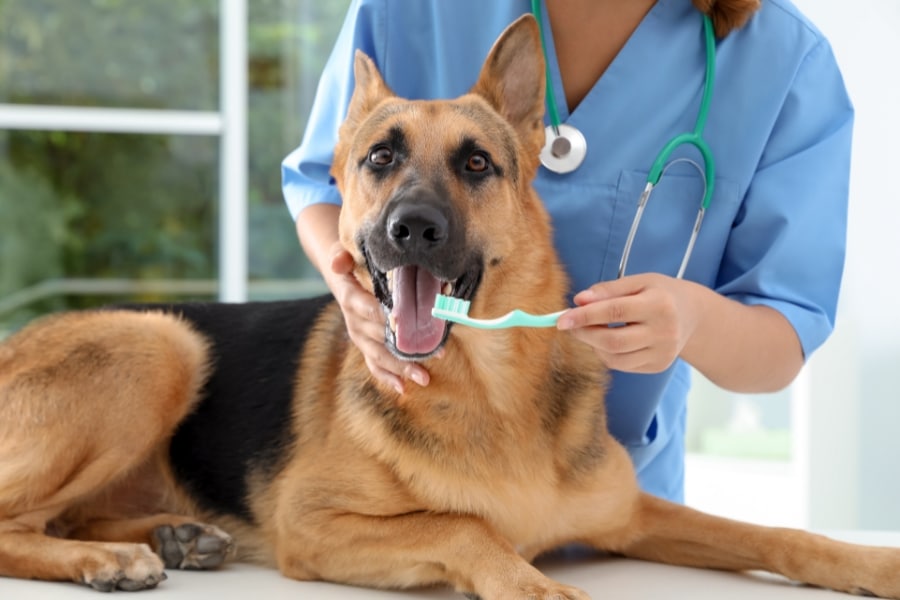
  • Brush regularly: Use a pet-specific toothbrush and toothpaste. Start slowly and allow your pet to become comfortable with the process.
  • Choose appropriate dental products: Ask your veterinarian which dental treats, diets, or chews are suitable for your pet.
  • Monitor behavior: Pay attention to changes in chewing, eating, grooming, and play.
  • Schedule dental examinations: Regular oral evaluations can help identify plaque buildup, gum inflammation, and other concerns.
  • Follow professional recommendations: Some pets need professional dental cleanings to remove accumulated plaque and tartar.

When Should You Contact a Veterinarian?

Contact your veterinarian if your pet consistently avoids toys, struggles to chew, drops food, has persistent bad breath, or shows red, swollen, or bleeding gums. Drooling, pawing at the mouth, facial swelling, and loose teeth also warrant evaluation.

If your pet stops eating, appears to be in significant pain, or develops sudden facial swelling, seek prompt veterinary guidance. Changes in activity can also result from joint pain, illness, or other conditions, so a proper examination is important rather than assuming the teeth are the cause.

Dental discomfort can affect much more than your pet’s teeth. It may change how your dog plays, how your cat grooms, what foods your pet enjoys, and how comfortably they interact with the family. Paying attention to these everyday changes can help you recognize potential problems and seek care sooner.

Oath Animal Hospital offers dental examinations, professional cleanings, and dental radiography for dogs and cats in East Meadow, NY. If your pet is losing interest in favorite activities or showing signs of oral discomfort, schedule a dental evaluation to discuss their needs.

Frequently Asked Questions

Q1. Can dental pain make my dog stop playing with toys?

Ans: Yes. A sore tooth or inflamed gums may make carrying, chewing, or gripping toys uncomfortable. Your dog may lose interest in fetch or tug-of-war, although other health concerns can also affect play behavior.

Q2. Why has my cat stopped grooming or chewing toys?

Ans: Oral discomfort may make grooming and chewing less comfortable. Dental disease, damaged teeth, and other health conditions can contribute to these changes. A veterinary examination can help identify the cause.

Q3. Can pets still eat normally when they have dental problems?

Ans: Yes. Some pets continue eating despite oral discomfort. They may chew more slowly, favor one side of the mouth, or avoid harder foods without completely losing their appetite.

Q4. What dental services does Oath Animal Hospital offer?

Ans: Oath Animal Hospital provides dental examinations, professional dental cleanings, and dental radiography. These services help the veterinary team evaluate oral health and identify problems that may need treatment.

Q5. Why does Oath Animal Hospital use dental X-rays?

Ans: Dental X-rays help evaluate tooth roots and structures beneath the gumline that cannot be fully assessed through a visual examination. They are an important part of identifying hidden dental problems and planning appropriate care.

Q6. Are professional dental cleanings at Oath Animal Hospital performed under anesthesia?

Ans: Yes. Oath Animal Hospital performs professional dental cleanings under general anesthesia. The medical team monitors pets throughout the procedure and recovery, and pre-surgical blood panels are performed to help assess their suitability for anesthesia.

preparing-pets-for-surgery-east-meadow-ny

Preparing Your Pet for Surgery: What to Know Before the Big Day

When a dog or cat needs surgery, it is natural to focus on the procedure itself. But there is plenty pet owners can do beforehand to make the experience more manageable. Understanding the instructions, preparing for your pet’s return home, and knowing what questions to ask can help you feel more confident throughout the process.

Every procedure is different, so preparation should always follow your veterinary team’s guidance. At Oath Animal Hospital, pet owners can discuss their concerns and learn what to expect before their pet’s operation.

For families in East Meadow, NY, preparing for pet surgery begins with understanding your individual pet’s needs, following preoperative instructions carefully, and planning for recovery before the day arrives.

Before Surgery, Make Sure the Plan Is Clear

You do not need to know every medical detail, but you should understand the main steps involved in your pet’s procedure. If anything is unclear, ask before the appointment rather than making assumptions.

Start with these important questions:

  • What procedure is planned, and why is it recommended?
  • Will my pet need any preoperative testing?
  • When should food and water be withheld, if required?
  • Should regular medications be given on the day of surgery?
  • When can I expect an update, and approximately when might my pet go home?
  • What supplies or arrangements will be needed for recovery?

These questions are especially useful if your pet is older, takes medication regularly, or has a history of health problems. Never change a medication schedule or fasting instructions without veterinary guidance. Puppies, kittens, diabetic pets, and animals with certain medical conditions may need individualized directions.

The Days Leading Up to the Procedure

Think of the days before surgery as a chance to establish a calm, predictable routine rather than making major changes at the last minute.

Keep your veterinary team informed. If your pet develops coughing, vomiting, diarrhea, unusual tiredness, or another new symptom before the procedure, contact the hospital. The veterinary team can advise whether the change affects the surgical plan.

Review medications and supplements. Make a complete list of prescriptions, over-the-counter products, supplements, and preventives your pet receives. Some may need special instructions before anesthesia, so do not assume that familiar products should be continued as usual.

Follow the feeding instructions exactly. Fasting requirements vary by patient and procedure. Confirm the specific cutoff time for food and ask what to do about water. If your pet eats something unexpectedly, tell the veterinary team rather than hiding it or deciding on your own to proceed.

Keep the routine familiar. Normal rest, gentle activity as appropriate, and a quiet environment can help avoid unnecessary disruption. Do not introduce new foods, supplements, or strenuous activities immediately before surgery without discussing them with your veterinarian.

Make Travel and Check-In Less Stressful

On the day of the procedure, allow enough time to arrive without rushing. Bring any requested paperwork, medication details, and information about recent changes in your pet’s health.

Cats should generally travel in a secure carrier that cannot open accidentally. A familiar blanket inside may provide comfort if the hospital permits it. Dogs should arrive on a secure leash or in another appropriate restraint.

If your pet becomes anxious during travel or handling, let the veterinary team know. They can explain what options may be appropriate. Avoid giving calming medication or human medication unless your veterinarian has specifically instructed you to do so.

Before leaving the hospital, make sure you know how and when you will receive updates, who to contact with questions, and what arrangements are needed for pickup.

Prepare Your Home for the Recovery Period

Your pet’s recovery environment matters just as much as having the right supplies. A comfortable space can make it easier to follow activity restrictions and notice changes after the procedure.

Choose a quiet, easy-to-clean area away from busy household traffic. Keep food, water, and bedding accessible according to your veterinarian’s instructions. For cats, arrange a low-entry litter box if recommended. For dogs, plan short, controlled bathroom trips if running and jumping are restricted.

You may also need:

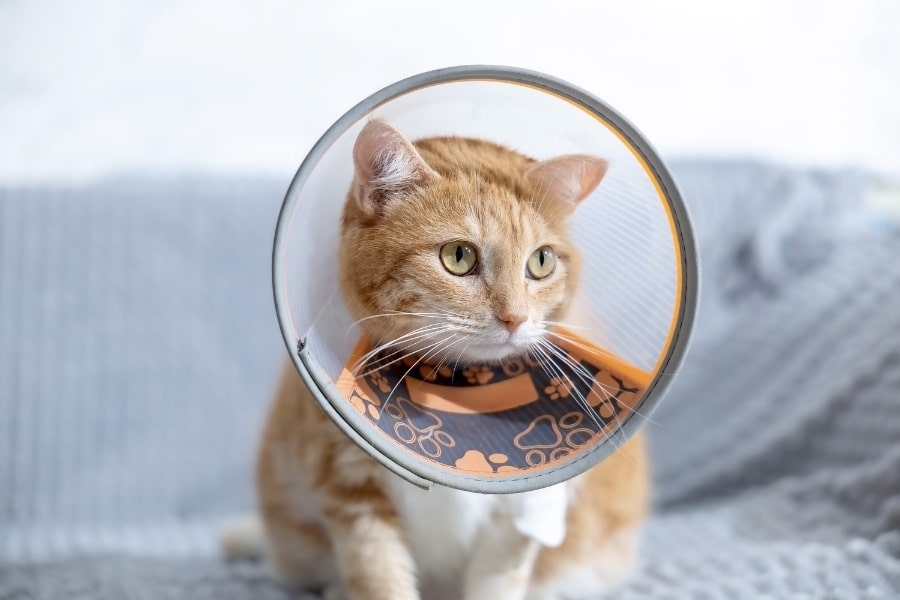
  • A properly fitted recovery collar or other veterinarian-approved way to protect the incision.
  • Clean bedding and easy access to the resting area.
  • A leash for controlled outdoor trips.
  • A plan for keeping children or other pets from disturbing your recovering companion.

If your pet regularly jumps onto furniture or climbs stairs, consider how you will limit those movements safely. Ask your veterinarian whether confinement, a crate, or a particular setup is suitable for your pet and procedure.

Know What Recovery Instructions Mean

Before taking your pet home, ask the veterinary team to explain the discharge instructions and demonstrate anything you are unsure about. Make sure you understand how to give prescribed medication, protect the incision, manage activity, and attend any recommended follow-up visits.

Some sleepiness or temporary changes in appetite may occur after anesthesia, but your veterinary team should tell you what is expected for your pet. Contact the hospital if you notice concerning changes, including repeated vomiting, worsening pain, difficulty breathing, significant bleeding, or an incision that becomes increasingly swollen or opens. For severe symptoms, seek urgent veterinary care.

Do not apply ointments, clean the incision with products, or allow bathing unless your veterinarian says it is appropriate. If your pet keeps licking or chewing the surgical site, ask for guidance rather than waiting for the area to become irritated.

A More Prepared Pet Owner Means a Smoother Plan

You cannot control every part of a surgical experience, but you can make the process less uncertain by asking questions early, following individualized instructions, and preparing a safe recovery space. These steps help you focus on your pet instead of trying to solve practical problems after arriving home.

Schedule an appointment to discuss your pet’s upcoming procedure, get answers to your questions, and prepare for a smoother recovery.

Frequently Asked Questions

Q1. Should I bathe my pet before a scheduled surgery?

Ans: Ask your veterinary team whether bathing is recommended before the procedure. After surgery, bathing is usually restricted until the incision has healed sufficiently. Follow your veterinarian’s instructions to avoid interfering with recovery.

Q2. What should I do if my pet eats before surgery despite fasting instructions?

Ans: Contact the veterinary hospital immediately and explain what your pet ate and when. Eating before anesthesia may affect the safety of the procedure, so let the veterinary team decide whether surgery can proceed as scheduled.

Q3. How can I reduce my pet’s stress before surgery?

Ans: Keep your pet’s routine as familiar as possible, use comfortable and secure transportation, and inform the veterinary team about any fear or travel anxiety. Avoid giving calming supplements or medication unless your veterinarian approves them.

Q4. What information should I share with Oath Animal Hospital before my pet’s surgery?

Ans: Provide details about your pet’s medical history, current medications and supplements, recent symptoms, known health conditions, and any previous reactions to anesthesia or medications. This information can help the veterinary team plan appropriate care.

Q5. Why might Oath Animal Hospital recommend pre-surgical testing?

Ans: Depending on your pet’s health and the planned procedure, pre-surgical testing may help assess overall health and identify concerns that could affect anesthesia or surgical planning. Your veterinarian can explain which tests are appropriate and why they may be needed.

Q6. What should I discuss with Oath Animal Hospital before taking my pet home after surgery?

Ans: Ask the veterinary team to review medication instructions, activity restrictions, incision care, feeding guidance, warning signs, and follow-up appointments. Understanding these details before discharge can help you provide appropriate care during recovery.

halloween-candy-safety-dogs-cats-oath-animal-hospital

Halloween Candy and Pets: What’s Safe, What’s Toxic, and When to Act

Halloween brings candy bowls, trick-or-treat bags, and plenty of tempting smells into the home. While children enjoy their treats, curious dogs and cats may sneak a piece when nobody is watching. Unfortunately, some Halloween candies contain ingredients that can seriously harm pets, and even ordinary sweets can cause problems when eaten in large amounts.

At Oath Animal Hospital in East Meadow, NY, helping pet owners understand potential hazards is an important part of keeping their companions safe. Knowing which ingredients to avoid and how to respond to accidental ingestion can help you make informed decisions during the holiday.

If you are searching for vets near you because your pet may have eaten Halloween candy, do not wait for symptoms before seeking advice. The risk depends on the ingredients, amount eaten, and your pet’s size, so prompt veterinary guidance is essential.

Which Halloween Candies Are Dangerous for Pets?

Not all candy poses the same risk, but Halloween candy should never be treated as a safe snack for dogs or cats. Some ingredients are toxic, while others can cause digestive problems or physical blockages.

Chocolate

Chocolate contains theobromine and caffeine, which pets process differently from people. Dark chocolate, baking chocolate, and cocoa powder generally pose greater risks than milk chocolate because they contain higher concentrations of these substances. White chocolate contains very little theobromine, but its fat and sugar content can still upset the stomach.

Possible signs of chocolate poisoning include vomiting, diarrhea, restlessness, increased thirst, a rapid heartbeat, tremors, and seizures. The level of risk depends on the type and amount of chocolate consumed and your pet’s weight. Never assume a small piece is harmless.

Sugar-Free Candy and Gum

Some sugar-free candies and gums contain xylitol, a sweetener that can cause a dangerous drop in blood sugar in dogs and may lead to liver injury. Signs can include vomiting, weakness, difficulty walking, collapse, or seizures.

Check ingredient labels when possible, but do not delay calling a veterinarian if you suspect your dog has eaten a product containing xylitol.

Raisins and Chocolate-Covered Snacks

Raisins and grapes can cause acute kidney injury in dogs, and the amount that may cause harm is unpredictable. Keep raisin snack boxes, chocolate-covered raisins, and trail mixes out of reach.

Gummies, Hard Candy, and Wrappers

Candy that does not contain a known toxin can still cause trouble. Large amounts of sugary or fatty sweets may lead to digestive upset or pancreatitis. Plastic and foil wrappers, lollipop sticks, and other packaging can also cause choking or intestinal blockages if swallowed.

Cats may be less interested in candy, but chocolate, wrappers, and other accessible holiday hazards can still put them at risk.

What Should You Do If Your Pet Eats Halloween Candy?

If you suspect your pet has eaten potentially dangerous candy, act promptly—even if they seem fine.

  1. Remove the remaining candy. Prevent your pet from eating anything else.
  2. Check the packaging. Identify the ingredients, estimate how much is missing, and note when your pet may have eaten it.
  3. Contact a veterinarian immediately. Explain your pet’s weight, what they ate, and the estimated amount. Do not wait for symptoms if chocolate, xylitol, or raisins may be involved.
  4. Do not induce vomiting or give home remedies unless a veterinary professional specifically instructs you to do so.

Watch for vomiting, diarrhea, unusual restlessness, weakness, shaking, difficulty walking, or collapse. Symptoms can vary depending on the substance, and some problems may not appear immediately.

Oath Animal Hospital advises pet owners to call 516-951-0254 during its regular business hours for urgent guidance. When the hospital is closed, its emergency care page lists nearby 24-hour emergency facilities.

How to Prevent Halloween Candy Accidents

A few simple precautions can reduce the chance of an accidental ingestion:

  • Store candy in closed containers or cabinets your pet cannot access.
  • Keep trick-or-treat bags, candy bowls, and snack wrappers off tables and counters.
  • Remind children not to share candy with pets.
  • Secure trash cans so pets cannot investigate discarded wrappers.
  • Offer pet-appropriate treats instead of human sweets.

If you want to include your pet in the festivities, choose treats made specifically for animals and offer them in moderation.

Halloween can be enjoyable for the whole family when candy and other hazards stay out of your pet’s reach. Knowing which ingredients are dangerous and acting quickly after a suspected ingestion can make a meaningful difference.

If your pet gets into Halloween candy, quick action can help protect their health. Schedule an appointment to discuss your pet’s health and safety needs. If you suspect candy poisoning, seek immediate veterinary care rather than waiting for a scheduled appointment.

Frequently Asked Questions

Q1. Can dogs eat any Halloween candy?

Ans: It is best not to give dogs Halloween candy. Even candy without a known toxic ingredient can cause digestive upset, and wrappers may cause blockages.

Q2. Is one piece of chocolate dangerous for a dog?

Ans: The risk depends on the type of chocolate, the amount eaten, and the dog’s size. Contact your veterinarian for advice instead of assuming a small amount is safe.

Q3. How can I tell if my pet has candy poisoning?

Ans: Possible signs include vomiting, diarrhea, weakness, restlessness, tremors, or seizures. Some toxic exposures cause delayed symptoms, so seek veterinary advice even if your pet initially seems normal.

Q4. How can Oath Animal Hospital help if my pet eats candy?

Ans: During regular business hours, call the hospital to explain what your pet ate and receive guidance on the next steps. The team can advise whether your pet needs an examination or emergency care.

Q5. What information should I have ready when calling Oath Animal Hospital?

Ans: Have your pet’s approximate weight, the candy packaging, the estimated amount consumed, and the time of ingestion available. These details can help the veterinary team assess the situation.

Q6. What should I do if my pet eats candy after Oath Animal Hospital closes?

Ans: Contact a 24-hour emergency veterinary facility. Oath Animal Hospital lists emergency care options on its website for pets needing attention outside regular business hours.

urgent-pet-care

When Your Pet Needs Urgent Care: Warning Signs You Should Never Ignore

Pets can become sick or injured unexpectedly, and it is not always easy to know when they need immediate medical attention. Repeated vomiting, difficulty breathing, sudden weakness, or unusual behavior may be signs that something is wrong. Recognizing these changes can help you make informed decisions and get your pet the care they need.

For pet owners in East Meadow, NY, Oath Animal Hospital is a resource for discussing health concerns and understanding the next steps in your pet’s care. When a pet suddenly becomes unwell, many owners search for urgent vet care near me because they want to find help quickly and close to home. Knowing which symptoms require prompt attention can help you decide when to contact a veterinary hospital and when to seek emergency treatment.

You know your pet’s normal habits better than anyone. If your dog seems unusually weak, your cat stops using the litter box normally, or your pet’s behavior changes suddenly, take those signs seriously. While not every symptom signals an emergency, severe or worsening changes should never be ignored.

Warning Signs Your Pet May Need Urgent Veterinary Care

1. Difficulty Breathing

Breathing problems are among the most serious warning signs in pets. Look for gasping, labored breathing, unusually rapid breathing at rest, or gums that appear blue, gray, or very pale.

If your pet is struggling to breathe, seek emergency veterinary care immediately. Keep your pet as calm as possible and avoid unnecessary handling while arranging transportation.

2. Repeated Vomiting or Diarrhea

One episode of vomiting or diarrhea may not always indicate a serious problem, but repeated episodes can lead to dehydration or point to an underlying health concern. Blood in the vomit or stool, weakness, abdominal discomfort, or an inability to keep water down makes the situation more concerning.

Contact a veterinarian promptly if symptoms continue or your pet seems unwell. Young, senior, and medically fragile pets may need particular attention. Do not give human medications unless a veterinarian specifically instructs you to do so.

3. Trouble Urinating

Does your pet keep trying to urinate but produce very little or no urine? Are they crying, straining, or making frequent trips to the litter box? These signs may indicate a urinary problem that needs prompt assessment.

A urinary blockage can become life-threatening, especially in male cats. If your pet cannot pass urine, seek emergency veterinary care immediately rather than waiting for the symptoms to improve.

4. Sudden Weakness, Collapse, or Seizures

A pet that suddenly cannot stand, collapses, becomes unresponsive, or experiences a seizure needs immediate veterinary assessment. These symptoms can have several causes, and some require rapid treatment.

If your pet has a seizure, move nearby objects away to reduce the risk of injury. Do not restrain your pet or put your hands near their mouth. If you can do so safely, note how long the seizure lasts and contact an emergency veterinary facility for instructions.

5. Serious Injuries or Uncontrolled Bleeding

Deep wounds, bleeding that does not stop, suspected broken bones, serious falls, and injuries caused by vehicles require urgent veterinary attention. Some injuries can cause internal damage even when the outside of the body looks relatively normal.

If your pet is bleeding, apply gentle pressure with clean gauze or a clean cloth if it is safe to do so. Keep your pet as still and comfortable as possible while arranging veterinary care.

6. Possible Poisoning or Swallowed Objects

Pets may accidentally swallow chocolate, human medications, toxic plants, cleaning products, toys, or other dangerous objects. Depending on what they ingest, they may be at risk of poisoning, choking, or an intestinal blockage.

If you suspect your pet has swallowed something harmful, contact a veterinarian or animal poison-control service immediately. Do not induce vomiting or try a home remedy unless a veterinary professional directs you to do so. Keep the product packaging or details about the object available.

Searching for Urgent Vet Care: What Should You Do First?

When your pet suddenly becomes ill or injured, searching for urgent vet care near me is a natural response. You want to find nearby help and understand where to turn without wasting time.

Start by identifying a veterinary hospital that may be able to assess your pet’s condition. If your pet’s symptoms allow, call before traveling and explain what is happening. Describe when the symptoms began, how severe they seem, and whether your pet’s condition is getting worse. The team can advise you about the next steps and whether your pet may need an emergency facility.

Keep in mind that not every nearby veterinary clinic can provide emergency treatment, and availability may vary. If your pet has difficulty breathing, collapses, experiences uncontrolled bleeding, has a seizure, or cannot urinate, seek emergency veterinary care immediately instead of continuing to search online.

How to Prepare While Getting Your Pet Help

A few simple steps can help you prepare for a veterinary visit while keeping your pet as safe as possible.

  • Observe the symptoms: Note what happened, when it started, and whether your pet’s condition has changed.
  • Keep your pet comfortable: Limit unnecessary movement, especially if an injury or fall may have occurred.
  • Avoid unapproved medication: Some human medicines are toxic to pets. Give medication only as directed by a veterinary professional.
  • Gather useful information: Bring details about current medications, existing health conditions, and relevant medical history.
  • Share possible exposure: If your pet may have swallowed a harmful substance, bring the packaging or a photo if available.

Do not force food, water, or medication if your pet is unconscious, struggling to breathe, or may have swallowed something dangerous. Follow instructions from a veterinary professional.

Helping Your Pet Get the Care They Need

Recognizing changes in your pet’s health can help you act when timely treatment matters. Difficulty breathing, repeated vomiting, trouble urinating, sudden weakness, serious injuries, and possible poisoning are warning signs that deserve attention. When symptoms are severe or worsening quickly, seek veterinary advice promptly rather than waiting to see what happens.

Oath Animal Hospital can help pet owners discuss their pets’ health concerns and understand appropriate next steps. Be ready to explain the symptoms you have noticed, when they began, and any changes in your pet’s behavior or daily routine.

Schedule an appointment to discuss your pet’s health concerns and determine the appropriate next steps.

For urgent concerns, call us at 516-951-0254. If your pet is showing signs of a life-threatening emergency, seek emergency veterinary care immediately.

Frequently Asked Questions

1. What are the warning signs that a pet needs urgent care?

Warning signs may include difficulty breathing, repeated vomiting, severe diarrhea, trouble urinating, collapse, seizures, uncontrolled bleeding, or suspected poisoning. Severe or rapidly worsening symptoms require immediate attention.

2. Should I wait to see whether my pet’s symptoms improve?

Not if your pet has severe symptoms such as breathing difficulties, collapse, uncontrolled bleeding, or an inability to urinate. Contact a veterinary professional promptly for concerning changes, and seek emergency care for potentially life-threatening signs.

3. What should I do if my pet swallows something harmful?

Contact a veterinarian or animal poison-control service immediately. Do not induce vomiting or give home treatments unless a veterinary professional instructs you to do so.

4. Can Oath Animal Hospital help me understand my pet’s sudden health changes?

You can contact Oath Animal Hospital to discuss your pet’s symptoms and ask about appropriate next steps. If your pet has severe or life-threatening symptoms, seek emergency veterinary care immediately.

5. What information should I share about my pet’s symptoms?

Explain what you have noticed, when the symptoms started, and whether they are worsening. Mention any possible injury or toxin exposure, along with your pet’s current medications and known health conditions.

6. When should I choose an emergency veterinary facility instead of a routine appointment?

Seek emergency veterinary care for signs such as difficulty breathing, collapse, seizures, severe bleeding, or inability to urinate. These symptoms can require immediate assessment rather than waiting for a routine appointment.

veterinary-care

How Veterinarians Help Senior Pets Live Better With Chronic Conditions

As pets grow older, they may develop ongoing health problems that affect their comfort, mobility, appetite, and daily routines. Conditions such as arthritis, kidney disease, diabetes, and heart disease can require continued care. Although some chronic conditions cannot be cured, early recognition and consistent veterinary support can help many senior pets maintain a good quality of life.

For families seeking a veterinarian in East Meadow, understanding how long-term health conditions are managed can make it easier to recognize changes and plan appropriate care. Oath Animal Hospital helps pet owners understand their pets’ health needs and the importance of veterinary guidance as they age.

Senior pets may not always show obvious signs of discomfort. Changes in sleeping habits, activity, thirst, appetite, or behavior can develop gradually. Regular veterinary evaluations can help identify these changes, monitor existing conditions, and guide decisions about your pet’s ongoing care.

Common Chronic Conditions in Senior Pets

Older dogs and cats may develop health conditions that need regular monitoring. Some common examples include:

  • Arthritis: Joint inflammation can make walking, climbing stairs, jumping, and standing more difficult.
  • Kidney disease: Changes in thirst, urination, appetite, or weight may occur as kidney function declines.
  • Diabetes: Increased thirst and urination, weight changes, and appetite changes can be signs that require veterinary evaluation.
  • Heart disease: Some pets may develop coughing, reduced stamina, breathing changes, or weakness.
  • Dental disease: Oral pain and inflammation can interfere with eating and affect overall comfort.
  • Thyroid disorders: Hormonal changes can affect weight, energy, appetite, and other body functions.

These signs do not confirm a specific condition. A veterinarian can assess your pet’s symptoms and recommend appropriate testing to determine what may be happening.

How Veterinarians Help Manage Long-Term Health Problems

Routine Examinations and Health Monitoring

Senior pets benefit from regular veterinary examinations, even when they seem comfortable at home. During these visits, a veterinarian can review changes in weight, movement, appetite, thirst, behavior, and daily habits.

Blood tests, urine tests, blood pressure checks, or imaging may be recommended based on your pet’s age, medical history, and symptoms. These evaluations can help monitor known conditions and identify changes that may require adjustments to the care plan.

Personalized Treatment Plans

Chronic conditions can affect pets differently, so treatment should reflect each animal’s specific needs. Depending on the diagnosis, a care plan may include medication, dietary adjustments, activity changes, or additional monitoring.

For example, a pet with arthritis may benefit from pain management and changes that make movement easier. A pet with diabetes may need a carefully managed treatment routine and ongoing monitoring. Follow your veterinarian’s instructions, and never change medication doses or stop prescribed treatment without professional guidance.

Nutrition and Weight Management

A balanced diet can support a senior pet’s overall health. Some conditions may require specific nutritional adjustments, while maintaining an appropriate weight can reduce stress on joints and support mobility.

Your veterinarian can recommend a suitable feeding plan based on your pet’s diagnosis, weight, appetite, and nutritional needs. Avoid making major dietary changes or giving supplements without checking whether they are appropriate for your pet’s condition and current medications.

Comfort and Mobility Support

Small changes around the home can make everyday activities easier for aging pets. Consider providing soft bedding, placing food and water in accessible areas, using nonslip rugs, and limiting the need to climb stairs or jump onto furniture.

Gentle activity may help some senior pets maintain mobility, but the appropriate level depends on their health. Ask your veterinarian which activities are suitable and whether rehabilitation or other supportive care may help.

Signs That a Senior Pet’s Condition May Be Changing

Pets with chronic conditions can experience changes even when they are receiving treatment. Contact your veterinarian if you notice:

  • A new or worsening loss of appetite
  • Unexplained weight loss or gain
  • Increased thirst or urination
  • Difficulty standing, walking, or using stairs
  • Changes in sleep, mood, or social interaction
  • Vomiting, diarrhea, or unusual weakness
  • Trouble taking medication or following the usual routine

Keep track of when symptoms begin, how often they occur, and whether anything makes them better or worse. This information can help your veterinarian evaluate the changes and decide whether the treatment plan needs to be reviewed.

Difficulty breathing, collapse, seizures, or sudden severe weakness require urgent veterinary attention. Do not wait for a routine appointment if your pet appears to be experiencing a medical emergency.

Supporting Your Senior Pet Between Veterinary Visits

Daily observation is an important part of long-term care. Notice whether your pet is eating normally, moving comfortably, drinking more than usual, or showing less interest in familiar activities. A simple written record can help you identify gradual changes that might otherwise be easy to miss.

Give prescribed medications as directed and attend recommended follow-up visits. If your pet resists medication, experiences possible side effects, or develops new symptoms, contact your veterinary team before changing the treatment routine.

Your pet’s comfort also depends on familiar routines, a calm resting space, gentle interaction, and easy access to basic needs. Working with your veterinarian helps you make practical adjustments while keeping your pet’s health and well-being at the center of each decision.

Chronic health conditions do not necessarily prevent senior pets from enjoying their daily lives. Regular examinations, appropriate treatment, nutrition, and home adjustments can help manage symptoms and support comfort as pets age. Paying attention to subtle changes also allows you to raise concerns before they become more difficult to manage.

Oath Animal Hospital can help pet owners understand their senior pets’ changing health needs and discuss options for ongoing veterinary care. Share any changes in appetite, mobility, thirst, or behavior during your pet’s appointment so the veterinary team can evaluate them.

Schedule an appointment with Oath Animal Hospital to discuss your senior pet’s health, review an existing care plan, and learn how to support their comfort and quality of life.

Frequently Asked Questions

Q1. What are common chronic conditions in senior pets?

Ans: Senior pets may develop arthritis, kidney disease, diabetes, heart disease, dental disease, or thyroid disorders. Regular veterinary examinations can help identify and monitor these conditions.

Q2. How often should a senior pet see a veterinarian?

Ans: The recommended schedule depends on your pet’s age, health, and medical history. Pets with chronic conditions may need more frequent checkups or testing than healthy pets. Your veterinarian can recommend an appropriate schedule.

Q3. Can chronic conditions in older pets be cured?

Ans: Some chronic conditions can be managed but not cured. Treatment may help control symptoms, slow certain complications, and maintain comfort. The outlook depends on the specific condition and the pet’s overall health.

Q4. How can Oath Animal Hospital help with my senior pet’s ongoing health needs?

Ans: Oath Animal Hospital can help assess health changes, discuss appropriate evaluations, and guide pet owners on managing ongoing health concerns. The recommended approach depends on the pet’s individual condition.

Q5. What should I tell Oath Animal Hospital about changes in my aging pet?

Ans: Share changes in appetite, thirst, weight, mobility, sleep, behavior, and bathroom habits. Bring an updated list of medications and supplements, along with notes about when the changes started and how often they occur.

Q6. Should I contact Oath Animal Hospital if my senior pet’s symptoms change?

Ans: Yes. New or worsening symptoms may mean your pet needs an examination or a review of their current care plan. Seek urgent veterinary attention for severe signs such as difficulty breathing, collapse, or sudden severe weakness.

senior-pet-routine-health-changes

How Your Senior Pet’s Daily Routine Can Reveal Changes in Health

The signs of aging do not happen overnight in pets. They appear slowly through small moments you may notice during everyday life. Your dog may take a little longer to get up after a nap. Your cat might stop leaping onto their favorite window perch. A pet who once greeted you at the door may now prefer to rest quietly in another room.

As these changes occur gradually, they can easily go unnoticed. Many pet owners assume that their companion is merely slowing down with age. While some changes are a natural part of getting older, shifts in your pet’s routine can sometimes be the first indication that something more is happening.

Your pet’s daily habits provide valuable insight into their comfort, mobility, and overall health. Changes in eating patterns, sleep, activity levels, or behavior may help identify concerns before they become more serious. This is why paying attention to your pet’s routine is an important part of senior pet care.

At Oath Animal Hospital, we understand that senior pets require thoughtful attention as their needs change. Older pets often benefit from regular health evaluations, ongoing monitoring, and care plans focused on helping them remain comfortable and enjoy their daily activities. If you are from East Meadow and have concerns regarding your pet’s health, this blog is just for you. Read through to the end for complete information.

Why Your Senior Pet’s Routine Can Tell You So Much About Their Health

Pets are creatures of habit. They usually follow familiar patterns every day, whether it is waiting for breakfast, following you around the house, playing at a certain time, or resting in their favorite spot.

When these patterns change, your pet may be responding to something affecting their physical or emotional well-being.

A change in routine may be connected to:

  • Joint discomfort or reduced mobility
  • Dental problems that make eating uncomfortable
  • Changes in vision or hearing
  • Weight fluctuations
  • Digestive concerns
  • Chronic health conditions
  • Age-related cognitive changes

Your observations at home are valuable because you see your pet’s normal behavior every day. Even a small difference can provide your veterinarian with important information during an examination.

Changes in Movement May Be Early Signs of Discomfort

A noticeable change in senior pets is that they become less active. However, reduced movement should not always be considered a normal part of aging.

A senior pet experiencing discomfort may:

  • Take longer to stand after lying down
  • Avoid stairs or jumping
  • Walk shorter distances during outdoor time
  • Hesitate before getting into the car
  • Spend more time resting than usual

Dogs and cats often hide pain instinctively, which means visible signs may appear only after a problem has progressed. Watching for changes in mobility can help you recognize when your pet may need additional support.

Eating and Drinking Habits Can Reveal Health Changes

Your senior pet’s relationship with food and water can change for many reasons. Some changes may be minor, while others may require veterinary attention.

For example, a pet who suddenly avoids hard food may have dental discomfort. Increased thirst or changes in appetite may also be linked to certain health conditions.

Keep an eye out for:

  • Eating less or refusing meals
  • Difficulty chewing
  • Sudden weight loss or weight gain
  • Drinking much more or less water
  • Changes in bathroom habits

Tracking these changes and sharing them with your veterinarian can make it easier to understand what may be affecting your pet.

Sleep Pattern Changes Should Not Be Ignored

Senior pets naturally tend to sleep more than younger animals. However, a major shift in sleeping habits may provide clues about their health.

You may notice your pet:

  • Sleeping throughout most of the day
  • Becoming restless at night
  • Changing their preferred sleeping location
  • Having difficulty getting comfortable

These changes can sometimes be associated with discomfort, anxiety, age-related changes, or underlying medical concerns.

A comfortable resting environment and regular veterinary care can help support your pet’s changing needs as they grow older.

Behavioral Changes Can Be Your Pet’s Way of Communicating

Your pet cannot tell you when they are feeling different, but their behavior often reflects how they feel.

A normally social pet who begins hiding, a calm pet who becomes unusually irritable, or a house-trained pet who starts having accidents may be experiencing a change that deserves attention.

Possible behavioral changes include:

  • Less interest in family interaction
  • Increased vocalization
  • Confusion or disorientation
  • Changes in bathroom habits
  • New fears or anxiety

Before assuming these behaviors are simply due to age, it is important to discuss them with your veterinarian. Some behavioral changes may have medical causes that can be addressed.

How Regular Veterinary Visits Support Senior Pet Health

As pets age, preventive care becomes even more important. Senior pets may develop health concerns that are difficult to detect without a professional evaluation.

During senior wellness visits, your veterinarian may assess:

  • Overall body condition
  • Weight changes
  • Joint health and mobility
  • Dental condition
  • Heart and respiratory health
  • Bloodwork and organ function
  • Changes in daily behavior

Routine evaluations allow your veterinary team to understand your pet’s baseline health and identify changes over time.

Supporting Your Senior Pet’s Quality of Life at Home

Caring for an older pet involves more than managing health concerns. It also means helping them stay comfortable and continue enjoying the activities they love.

Small changes can lead to significant results, such as:

  • Providing soft and supportive bedding
  • Keeping food and water easily accessible
  • Maintaining a predictable daily schedule
  • Using ramps or steps when needed
  • Encouraging gentle activity
  • Monitoring changes in behavior

Every senior pet has different needs. A care approach that works for one pet may not be right for another, which is why ongoing veterinary guidance is important.

When Should You Schedule a Visit for Your Senior Pet?

Many pet owners wait until a problem is unmistakable before booking an appointment. However, addressing these concerns early can make a meaningful difference in managing many age-related issues.

Consider contacting your veterinarian if you notice:

  • Sudden changes in routine
  • Difficulty walking or standing
  • Reduced appetite
  • Increased thirst
  • Weight changes
  • New behavioral concerns
  • Signs of pain or discomfort

You know your pet’s personality and habits better than anyone. When something feels different, that observation can be the first step toward finding answers.

Helping Your Senior Pet Enjoy More Comfortable Years

Aging is a natural part of your pet’s life, but it does not mean they should stop enjoying their favorite routines or spending quality time with their family.

The small details you notice each day, such as how your pet moves, eats, sleeps, and interacts with you, can provide meaningful insight into their health. These observations help create a clearer picture of what your pet needs as they enter their senior years.

At Oath Animal Hospital, we believe senior pets deserve care that considers both their medical needs and their everyday comfort. Through regular evaluations and personalized senior pet care, our team helps pet owners understand changes in their companions and make informed decisions about their health.

If you are in East Meadow and have noticed changes in your pet’s routine or want to support their health as they age, our team is here to help provide guidance and compassionate veterinary care. Schedule an appointment today to ensure your pet ages without any health concerns.

Frequently Asked Questions

1. What daily changes should I watch for in my senior pet?

Changes in eating, sleeping, movement, bathroom habits, and behavior may indicate that your senior pet’s health needs attention. Monitoring their normal routine can help you notice concerns early.

2. How often should my senior pet receive veterinary checkups?

Senior pets often benefit from more frequent wellness evaluations because health changes can develop gradually. Your veterinarian can recommend a schedule based on your pet’s age, breed, and medical history.

3. Can aging cause my pet to become less active?

Some activity changes are expected as pets age, but sudden or noticeable decreases in movement may be related to discomfort, joint issues, or other health concerns.

4. How does Oath Animal Hospital provide senior pet care in East Meadow?

Oath Animal Hospital provides senior pet care in East Meadow by evaluating age-related health changes and helping pet owners create plans that support their pets’ comfort and wellness.

5. When should I bring my senior pet to Oath Animal Hospital?

You should schedule a visit with Oath Animal Hospital if your pet experiences changes in appetite, mobility, behavior, sleep patterns, or overall routine.

6. How can I make my home more comfortable for an older pet?

You can support your senior pet by providing comfortable bedding, easy access to food and water, maintaining routines, and making adjustments that support mobility.

7. Why is senior pet care important for aging dogs and cats?

Senior pet care helps monitor health changes, identify potential concerns early, and provide support that helps older pets maintain comfort and quality of life.

signs-pet-health-problem-getting-worse

Signs Your Pet’s Health Problem Is Getting Worse Quickly 

Pet owners know their animals’ normal habits better than anyone. A sudden change in appetite, behavior, energy level, or daily routine can sometimes signal that something is wrong. For families, recognizing these changes early can help pets receive the medical attention they need before a condition becomes more serious.

At Oath Animal Hospital, pet owners in East Meadow and nearby areas can find support when their companion shows signs of illness or unexpected health changes. While some symptoms may resolve with monitoring, others may require prompt veterinary evaluation to understand the underlying cause.

How Can You Tell If Your Pet’s Health Problem Is Getting Worse?

A pet’s condition may be worsening when symptoms become more frequent or intense, or when they begin affecting normal activities like eating, walking, sleeping, or interacting with family members.

Because many health problems can share similar signs, a symptom alone does not always identify the exact cause. A veterinary examination can help determine whether your pet needs treatment, diagnostic testing, or closer monitoring.

Signs Your Pet May Need Immediate Veterinary Attention

1. Sudden Changes in Breathing

Breathing problems should always be taken seriously. Watch for rapid breathing, difficulty catching their breath, excessive panting at rest, coughing, or unusual breathing sounds.

Changes in breathing can result from several factors, including respiratory issues, heart conditions, pain, or stress. If your pet appears to be struggling for breath, seek veterinary attention as soon as possible.

2. Loss of Appetite or Refusing Food

A temporary decrease in appetite may happen occasionally, but refusing food for an extended period can indicate an underlying problem.

Pets may stop eating because of dental discomfort, digestive issues, infections, pain, or other medical concerns. A veterinarian can evaluate the cause and determine the next steps for urgent pet care.

3. Repeated Vomiting or Diarrhea

Occasional stomach upset may occur, but repeated vomiting or diarrhea can lead to dehydration and may point to a more serious condition.

Pay attention to additional signs such as weakness, blood in vomit or stool, reduced energy, or changes in drinking habits. These symptoms may require faster medical attention.

4. Extreme Tiredness or Sudden Weakness

A pet that becomes unusually tired, avoids activities, hides more often, or has trouble standing may be showing signs of declining health.

Changes in energy can be linked to infections, pain, internal problems, or other medical issues. If your pet’s behavior changes quickly, it is important to have them evaluated.

5. Changes in Bathroom Habits

Sudden changes in urination or bowel movements should not be ignored.

Frequent urination, difficulty urinating, accidents inside the home, constipation, or changes in stool appearance may indicate a health concern. Some urinary problems can become serious if left untreated.

6. Visible Pain or Discomfort

Pets often hide pain, so subtle changes may be easy to miss. Signs may include limping, whining, avoiding touch, difficulty climbing stairs, or changes in posture.

A pet experiencing discomfort may not always show obvious symptoms. A veterinary assessment can help identify possible causes and provide appropriate recommendations for urgent pet care.

7. Pale Gums, Swelling, or Physical Changes

Physical changes can provide important clues about your pet’s health. Pale gums, sudden swelling, unexplained weight changes, lumps, or changes in skin and coat condition may require evaluation.

These signs do not always indicate a serious problem, but they should be checked, especially when they appear suddenly.

8. Confusion, Seizures, or Unusual Behavior

Changes involving the nervous system can appear as confusion, loss of balance, seizures, unusual movements, or sudden personality changes.

These symptoms may have different causes, including medical conditions affecting the brain, metabolism, or other body systems. Prompt veterinary attention is important when these signs occur.

What Happens During a Veterinary Evaluation?

When your pet is examined, the veterinarian will review their symptoms, medical history, behavior changes, and physical condition. Depending on the findings, diagnostic tools such as blood tests, imaging, or other evaluations may be recommended.

Early evaluation can help identify possible problems sooner and allows treatment decisions to be based on your pet’s specific condition.

If you notice concerning changes in your pet’s health, contact our veterinary hospital for guidance and an examination. Getting professional advice can help you understand whether your pet needs immediate attention or continued monitoring.

When Should You Seek Veterinary Care for Your Pet?

Pet owners should schedule a veterinary visit when symptoms continue, become more severe, or affect normal daily activities. Signs such as breathing difficulty, collapse, seizures, severe weakness, or inability to eat or drink may require urgent pet care.

It is also important not to wait if your instincts tell you that your pet is acting differently. You know your pet’s normal behavior, and sudden changes deserve attention.

How Can Pet Owners Help Prevent Health Problems From Becoming Worse?

Regular wellness visits, monitoring daily habits, maintaining proper nutrition, and noticing small changes early can support your pet’s overall health.

Keeping records of changes in appetite, activity, bathroom habits, and symptoms can also help your veterinarian understand what is happening and make informed care decisions.

Get Veterinary Support When Your Pet’s Health Changes

When a pet’s condition changes quickly, timely action can make a difference. Paying attention to warning signs and seeking veterinary guidance can help your companion receive appropriate care based on their needs.

For pet owners in East Meadow, Oath Animal Hospital provides medical evaluations and treatment support for pets experiencing health concerns. Contact us immediately if your pet shows signs that their condition is getting worse or requires professional attention.

Call 516-951-0254 to discuss your pet’s symptoms and receive guidance on the next steps for veterinary care.

Schedule an appointment today for timely veterinary support when your pet needs professional attention.

FAQs 

Q1. How do I know if my pet’s illness is becoming more serious?

Ans: A condition may be worsening if symptoms increase, your pet stops normal activities, refuses food, shows pain, or develops new signs. A veterinary examination can help identify the cause and determine the right next steps.

Q2. When should I take my pet to a veterinarian?

Ans: You should consider veterinary care if symptoms persist, worsen, or affect eating, drinking, breathing, movement, or behavior. Oath Animal Hospital helps pet owners evaluate concerning changes in their pet’s health and receive appropriate medical guidance.

Q3. Can pets hide signs of serious health problems?

Ans: Yes, many pets naturally hide discomfort or weakness. Small changes in behavior, appetite, energy, or routine may be early indicators that your pet needs attention.

Q4. What services can help identify my pet’s health problem?

Ans: Veterinary examinations, diagnostic testing, and health assessments can help identify possible causes behind symptoms. Oath Animal Hospital provides diagnostic care to help evaluate pets with changing health concerns.

Q5. Is sudden vomiting or diarrhea always an emergency?

Ans: Not always, but repeated episodes, dehydration, weakness, blood, or additional symptoms may require prompt veterinary care. Our veterinarian can determine whether your pet needs further evaluation.

Q6. How can Oath Animal Hospital help when my pet’s condition changes?

Ans: Oath Animal Hospital evaluates pets with new or worsening symptoms and provides medical recommendations based on their condition. The team can help pet owners understand available treatment options and the next steps for care.

What Should You Know Before Your Pet Has Surgery?

Hearing that your dog or cat needs surgery can leave you with plenty of questions. What should you do before the procedure? How will anesthesia be handled? What will recovery look like? Understanding the process ahead of time can make the experience less overwhelming and help you prepare your pet for a safe recovery.

For pet owners in East Meadow, NY, knowing what to expect before surgery can make it easier to follow veterinary instructions and recognize what your pet may need throughout the process. Every procedure is different, so your veterinarian should provide guidance based on your pet’s condition, age, health history, and the type of surgery being performed.

Pet surgery may be recommended for a variety of reasons, from treating injuries and removing growths to addressing certain orthopedic or soft-tissue conditions. Before scheduling a procedure, take time to understand why surgery is recommended, what preparation involves, and how you can support your pet afterward.

What Should You Know Before Pet Surgery?

Before surgery, your veterinarian should explain the reason for the procedure, what it involves, potential risks, anesthesia considerations, and what recovery may require. Don’t hesitate to ask questions if anything is unclear.

A pre-surgical evaluation may include a physical examination and, depending on your pet’s age and health, diagnostic testing. Bloodwork or other testing may help the veterinary team assess your pet’s overall health and determine whether additional precautions are needed before anesthesia.

Understand Why Surgery Is Recommended

Start by making sure you understand what the procedure is intended to address. Ask your veterinarian what they expect the surgery to accomplish and whether there are other treatment options that may be appropriate.

Understanding the purpose of the procedure can also help you recognize what recovery goals to expect afterward.

Follow Pre-Surgical Instructions Carefully

Your veterinary team may provide specific instructions about food, water, medications, exercise, and arrival time. These instructions can vary depending on the procedure and your pet’s individual needs.

If your pet takes medications or supplements, tell the veterinary team about everything they receive. Do not change or stop medications unless your veterinarian specifically instructs you to do so.

Know What to Expect With Anesthesia

Most surgical procedures require anesthesia so the pet remains unconscious and does not experience pain during the operation. Before surgery, your veterinary team should discuss the planned anesthesia and monitoring process.

Anesthesia can carry risks, which is why the veterinary team considers factors such as your pet’s health, age, medical history, and test results when planning care.

How Can You Prepare Your Home for Recovery?

Preparing your home before surgery can make the recovery period easier. Set up a quiet, comfortable area where your pet can rest without excessive activity or interference from other pets or young children.

Depending on the procedure, your veterinarian may recommend restricting running, jumping, stairs, or other activities for a period of time. Having a comfortable resting space ready can make it easier to follow those recommendations.

You should also understand how medications will be given, how the surgical site should be monitored, and when your veterinarian wants your pet to return for follow-up care.

For pets requiring more involved procedures, [pet surgical services] can be an important part of a broader treatment and recovery plan.

What Should You Watch for After Surgery?

Some temporary changes in behavior or activity may occur after anesthesia, but your veterinarian should explain what is expected for your pet. Follow the discharge instructions closely and monitor your pet as they recover.

Pay attention to the surgical incision and watch for changes such as significant swelling, persistent bleeding, discharge, worsening redness, or anything else that seems unusual. Prevent your pet from licking or chewing at the incision if your veterinarian recommends protective measures.

Changes such as persistent vomiting, difficulty breathing, severe weakness, uncontrolled pain, or other concerning symptoms should be discussed with your veterinary team promptly.

When Should You Contact a Veterinarian?

Contact your veterinarian if you are concerned about your pet’s recovery or if something seems different from the instructions you were given. You should also seek veterinary guidance if your pet cannot keep medications down, appears to be experiencing significant discomfort, develops concerning incision changes, or shows a major change in appetite, behavior, or activity.

If you are unsure whether a post-surgical change is normal, it is better to ask rather than assume. Your veterinary team can help determine whether your pet needs an examination or additional care.

Preparing for surgery starts well before the procedure itself. Understanding why surgery is recommended, following pre-surgical instructions, discussing anesthesia and medications, and preparing a calm recovery space can help you feel more confident about caring for your pet.

For families seeking pet surgery in East Meadow, Oath Animal Hospital can help pet owners understand the surgical process and the care their dog or cat may need before and after a procedure. Schedule a consultation to discuss your pet’s surgical needs and learn more about the next steps.

Frequently Asked Questions

Q1. How should I prepare my pet for surgery?

Ans: Follow your veterinarian’s instructions regarding food, water, medications, exercise, and arrival time. Contact the veterinary team if you are unsure about any preparation instructions.

Q2. How long does pet surgery recovery take?

Ans: Recovery time depends on the type of surgery, your pet’s overall health, age, and individual healing process. Your veterinarian can provide more specific expectations for your pet.

Q3. What are warning signs after pet surgery?

Ans: Significant bleeding, worsening swelling, unusual discharge, difficulty breathing, severe weakness, persistent vomiting, or signs of significant discomfort may require prompt veterinary attention.

Q4. Does Oath Animal Hospital provide pet surgery?

Ans: Oath Animal Hospital provides veterinary surgical care for pets and can discuss appropriate surgical options based on an individual pet’s needs.

Q5. Can Oath Animal Hospital explain what to expect before surgery?

Ans: Yes. Your veterinary team can discuss preparation, the procedure, anesthesia considerations, recovery expectations, and post-operative care instructions.

Is Your Pet Really as Healthy as You Think? Here’s What You Might Be Missing

Your dog or cat may be eating normally, playing, and acting like themselves, yet that does not always mean everything is fine. Pets can be surprisingly good at hiding discomfort or gradual changes in their health. By the time a problem becomes obvious, it may have been developing for some time.

For families in East Meadow, NY, routine veterinary care provides an opportunity to look beyond what you can see at home. Regular examinations can help monitor changes in your pet’s health, while vaccinations, parasite prevention, dental care, nutrition, and age-appropriate screening can help support long-term wellness.

Preventative pet care is about more than treating illness. It focuses on maintaining your pet’s health, identifying potential concerns early, and creating a care plan that fits their age, lifestyle, and individual needs.

What Can You Miss When Your Pet Seems Healthy?

Pets often hide early signs of illness, so subtle changes can be easy to overlook. A veterinarian may identify concerns during a physical examination that are not obvious during everyday interactions at home.

Changes in body weight, dental health, skin and coat condition, heart and lung sounds, mobility, or behavior can provide useful clues about your pet’s overall health.

Weight Changes

Gradual weight gain or loss can be easy to miss, particularly when you see your pet every day. Maintaining an appropriate body condition can support mobility and overall health.

Your veterinarian can assess your pet’s weight and body condition and recommend adjustments to nutrition, feeding habits, or activity when appropriate.

Dental Problems

Dental disease can develop without dramatic changes in behavior. Bad breath, tartar buildup, red or swollen gums, difficulty chewing, drooling, or pawing at the mouth may indicate an oral health concern.

Routine dental assessments and appropriate home care can help you stay ahead of developing problems. Professional [pet dental care] may also be recommended when a veterinary examination identifies concerns that require further attention.

Parasites

Fleas, ticks, heartworms, and intestinal parasites can affect pets even when they appear perfectly healthy. Some infections may not cause obvious symptoms during the early stages.

A veterinarian can help determine which parasite prevention measures are appropriate based on your pet’s lifestyle, exposure risks, and health history.

Why Are Routine Wellness Exams Important?

Routine wellness exams allow your veterinarian to establish a baseline for your pet’s health and monitor changes over time. These visits are useful even when your pet appears healthy.

During an examination, the veterinarian may evaluate your pet’s eyes, ears, mouth, skin, heart, lungs, abdomen, joints, body condition, and overall behavior. The visit is also an opportunity to review vaccinations, parasite prevention, nutrition, exercise, and other aspects of daily care.

For puppies, kittens, adult pets, and seniors, the focus can change according to their life stage. Senior pets, for example, may benefit from closer monitoring for age-related changes.

What Does a Good Preventive Care Routine Look Like?

A strong routine combines veterinary care with consistent attention at home. There is no single schedule that works for every dog or cat, but several areas deserve regular attention.

Keep Wellness Visits Consistent

Annual examinations are commonly recommended for healthy adult pets, while puppies, kittens, senior pets, and animals with ongoing health concerns may need more frequent visits.

Your veterinarian can recommend an appropriate schedule based on your pet’s individual circumstances.

Stay Current on Vaccinations and Parasite Prevention

Vaccinations help protect pets against important infectious diseases, while parasite prevention can reduce exposure to common parasites. Your pet’s needs may change based on age, lifestyle, travel, and other risk factors.

Pay Attention to Everyday Changes

You know your pet’s normal behavior better than anyone. Changes in appetite, thirst, energy, bathroom habits, sleep, grooming, mobility, or temperament can be worth discussing with your veterinary team.

Keeping track of these changes can make wellness visits more informative.

You can also explore [pet wellness examinations] and [preventative veterinary care] as part of a broader approach to maintaining your pet’s health.

When Should You Contact a Veterinarian?

Do not wait for a routine appointment if your pet develops a concerning or sudden change. Contact your veterinarian if you notice persistent vomiting or diarrhea, difficulty breathing, significant appetite changes, unexplained weight loss, unusual lethargy, changes in urination, mobility problems, signs of pain, or major behavioral changes.

Some symptoms may have relatively simple explanations, while others could require prompt evaluation. If you are uncertain about a change in your pet, contacting your veterinary team can help you determine the appropriate next step.

A healthy-looking pet can still benefit from regular veterinary attention. Preventive care gives you a way to monitor your pet’s health over time, address subtle changes, and stay current with essential services such as wellness examinations, vaccinations, parasite prevention, dental care, and nutritional guidance.

For pet owners seeking preventative pet care in East Meadow, Oath Animal Hospital can help you build a care routine based on your dog’s or cat’s individual needs. Schedule a wellness appointment to review your pet’s current health and keep their preventive care on track.

Frequently Asked Questions

Q1. How often should a healthy pet see a veterinarian?

Ans: Many healthy adult pets benefit from at least one wellness examination each year. Puppies, kittens, senior pets, or pets with specific health concerns may need more frequent visits.

Q2. Can my pet have a health problem without showing symptoms?

Ans: Yes. Some health problems can develop gradually or cause subtle changes that are difficult to notice at home. Routine examinations can help identify concerns earlier.

Q3. What is included in preventative pet care?

Ans: Preventative care may include wellness examinations, vaccinations, parasite prevention, dental evaluations, nutrition guidance, weight monitoring, and age- or risk-based screening.

Q4. Does Oath Animal Hospital provide preventative pet care?

Ans: Yes. Oath Animal Hospital provides veterinary care designed to support the ongoing health and wellness of dogs and cats in the East Meadow area.

Q5. Can Oath Animal Hospital help with my pet’s wellness schedule?

Ans: A veterinary team can review your pet’s age, lifestyle, health history, and individual needs to help determine an appropriate schedule for routine examinations and preventive services.

Q6. When should I schedule a wellness visit with Oath Animal Hospital?

Ans: You can schedule a wellness visit when your pet is due for routine care or when you want to establish a preventive care plan. If your pet has developed concerning symptoms, contact the veterinary team rather than waiting for a routine visit.